
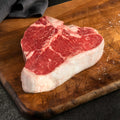


Great product! Delicious

Pack size One 24 oz bone-in ribeye
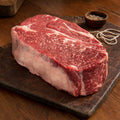
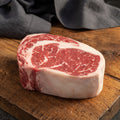
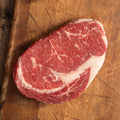
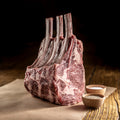
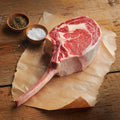
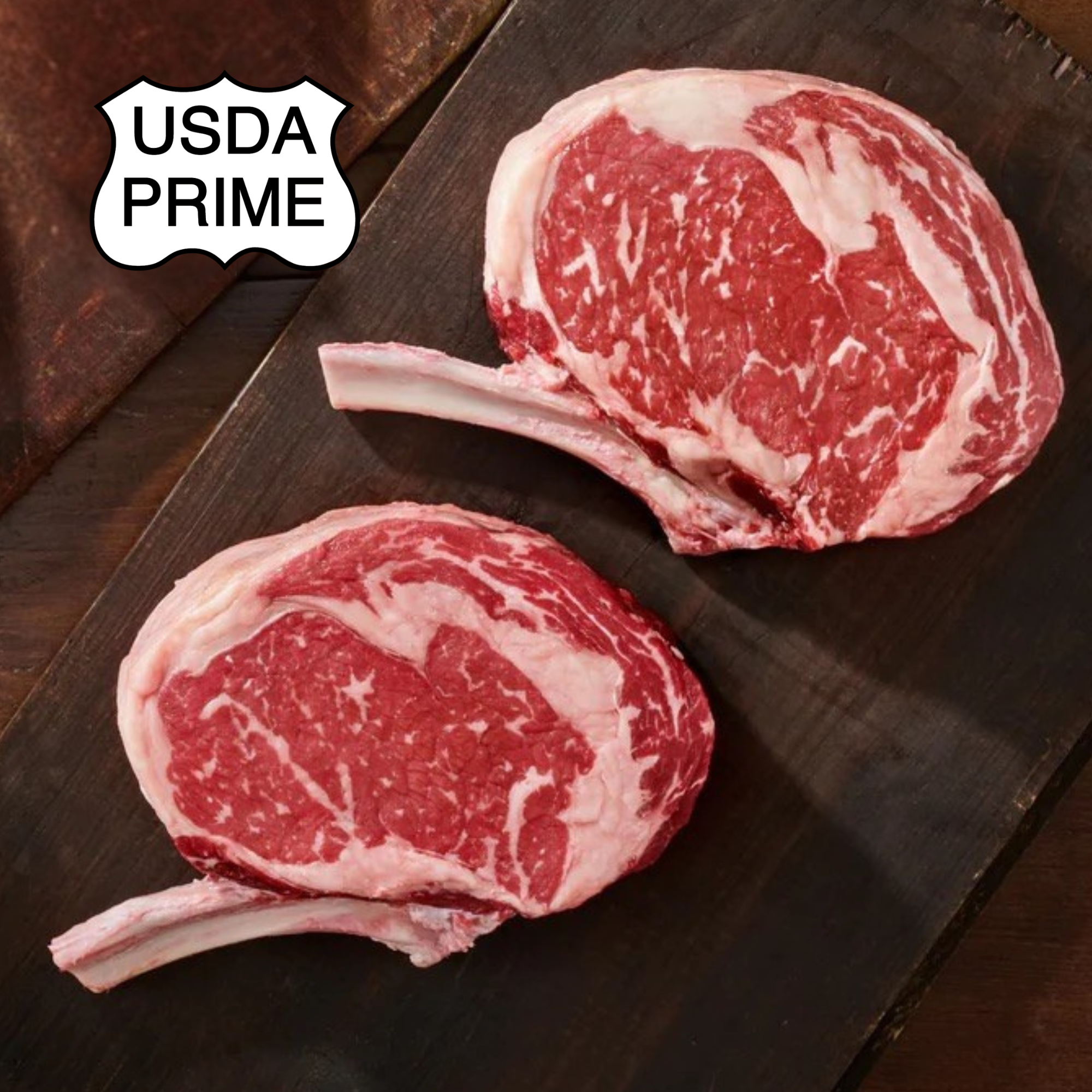
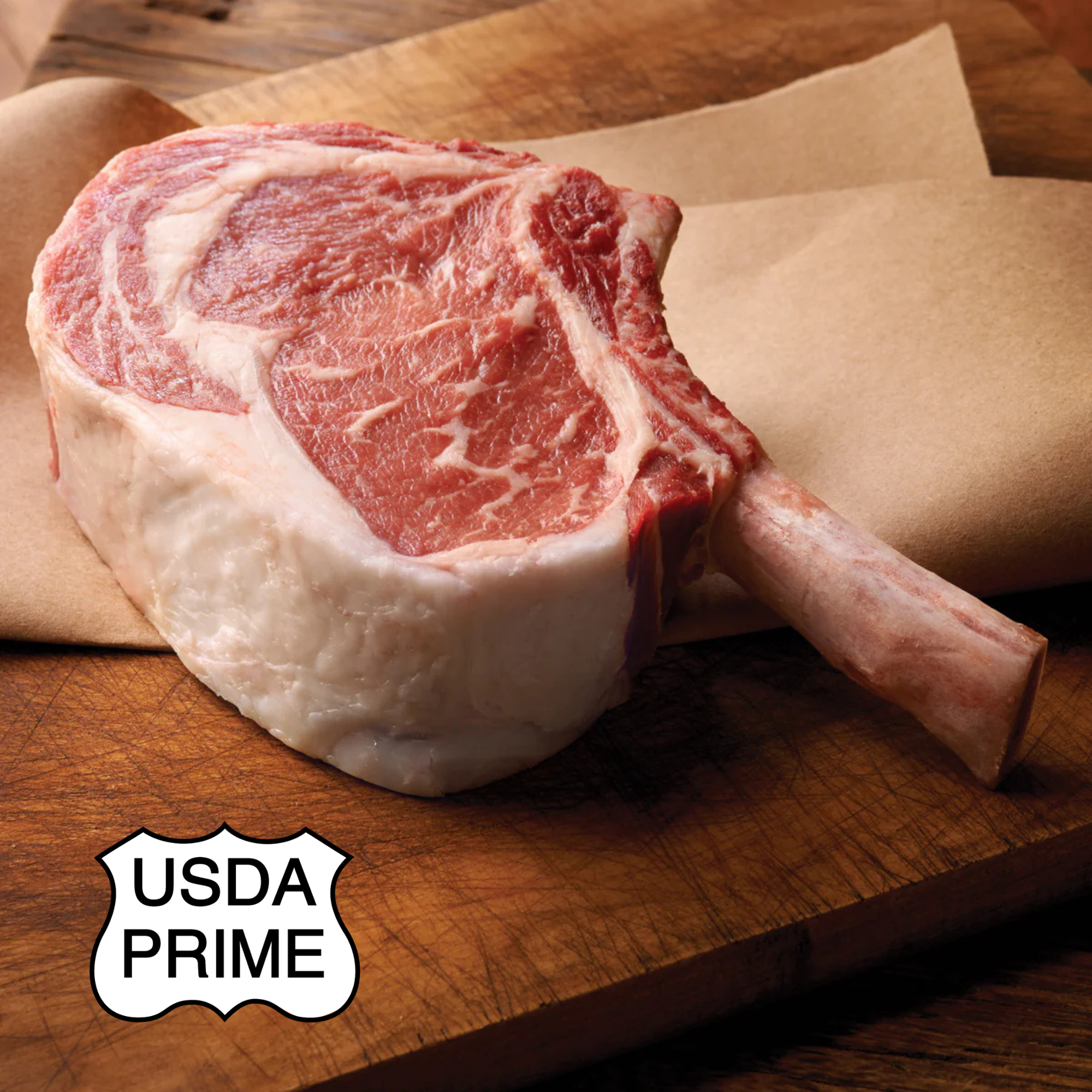
The 44 Farms USDA Prime Bone-In Ribeye (24 oz) represents the highest standard of premium beef. Cut from the prized rib primal, this generously sized Cowboy Ribeye showcases the abundant marbling that defines USDA Prime, delivering exceptional tenderness, remarkable juiciness, and rich beef flavor in every bite.
Expertly hand-cut with care in Texas and wet aged for a minimum of 28 days, each steak is selected for extraordinary marbling and consistency. Sourced from Black Angus cattle raised with no added hormones or antibiotics ever, this 24-ounce Bone-In Ribeye is designed for steak lovers who want an unforgettable steakhouse experience at home.
Whether you're celebrating a milestone, hosting guests, or simply treating yourself, this impressive steak delivers restaurant-quality results worthy of the occasion.
Serving Size: 4 oz (112g)
Servings Per Container: Varied
| Amount | % Daily Value* | |
|---|---|---|
| Calories | 295 | |
| Total Fat | 23g | 36% |
| Saturated Fat | 10g | 52% |
| Trans Fat | 0g | |
| Cholesterol | 79mg | 26% |
| Sodium | 65mg | 2% |
| Total Carbohydrate | 0g | 0% |
| Dietary Fiber | 0g | 0% |
| Sugars | 0g | |
| Protein | 20g | |
| Vitamin A | 0% | |
| Vitamin C | 0% | |
| Calcium | 1% | |
| Iron | 10% |
*Percent Daily Values are based on a 2,000 calorie diet.
If you're not satisfied, neither are we. We work to put beef on your table that is worthy of the place, and when we miss, we make it right.
Let us know within 24 hours of delivery. First, we will replace your order. If you would rather not have a replacement, we will issue a 44 Farms gift card. If neither of those works for you, call us at (254) 605-6444 or email orders@44farms.com and we will work it out with you.
What makes USDA Prime Bone-In Ribeye different from USDA Choice?
USDA Prime contains more marbling than USDA Choice, resulting in even greater tenderness, juiciness, and rich beef flavor.
How many people will a 24 oz Bone-In Ribeye serve?
A 24-ounce steak comfortably serves two people as a shared entrée or one person with a hearty appetite.
Is reverse searing recommended?
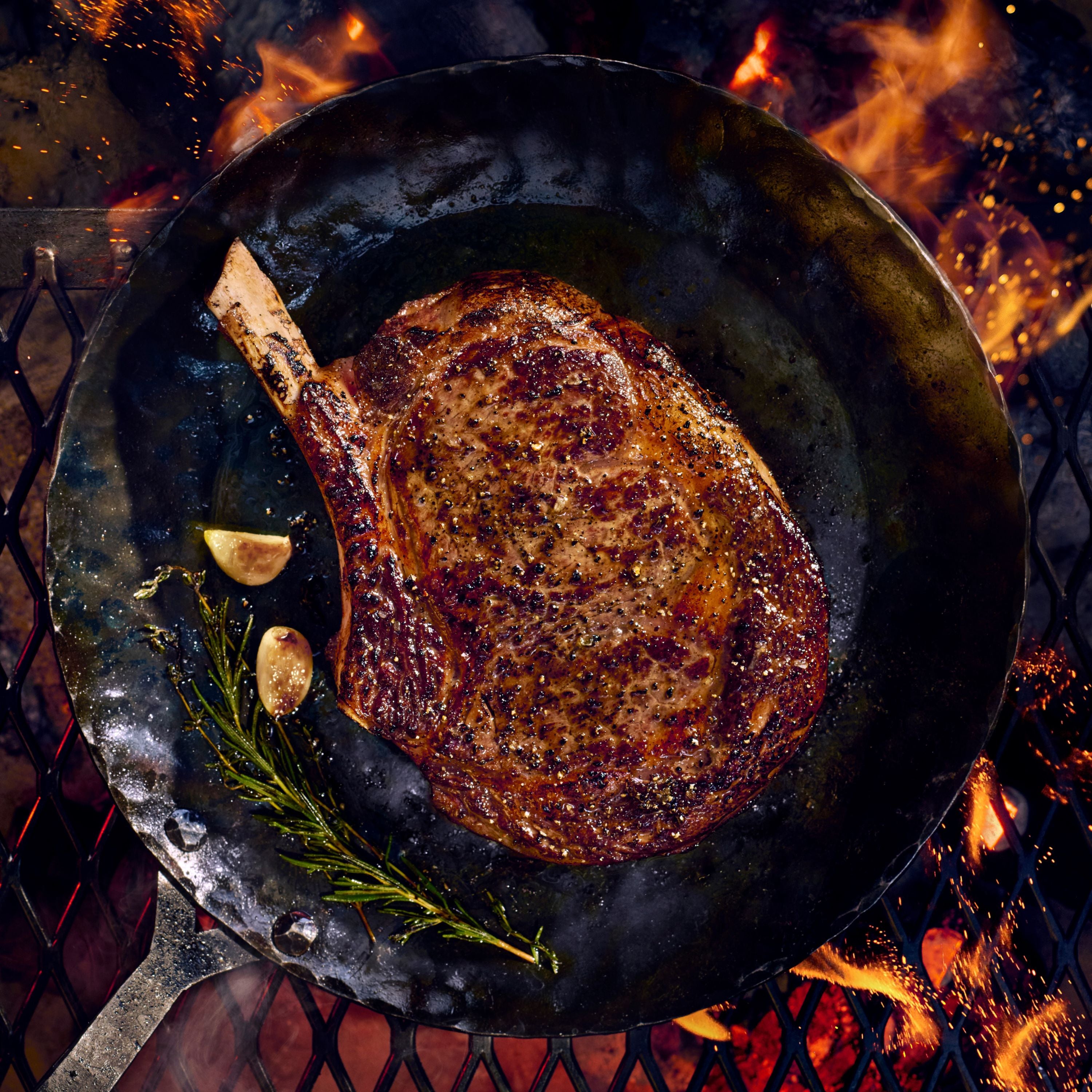
Yes. Reverse searing is one of the best methods for achieving even doneness and a beautifully caramelized crust on thick-cut steaks.
Is a Cowboy Ribeye the same as a Bone-In Ribeye?
Yes. These terms are commonly used interchangeably for a ribeye with the rib bone attached.
What's the difference between a Prime Bone-In Ribeye and a Tomahawk?
The primary difference is the bone length. A Tomahawk features a long French-trimmed rib bone, while a Cowboy Ribeye has a shorter rib bone. Both come from the same rib primal and offer the same premium eating experience.
Cook it right
Finished temperatures. Pull it about 5 degrees early, because it keeps climbing while it rests.
Temperatures in °F. USDA recommends 145°F with a 3-minute rest for steaks and roasts, and 160°F for ground beef.
Watch
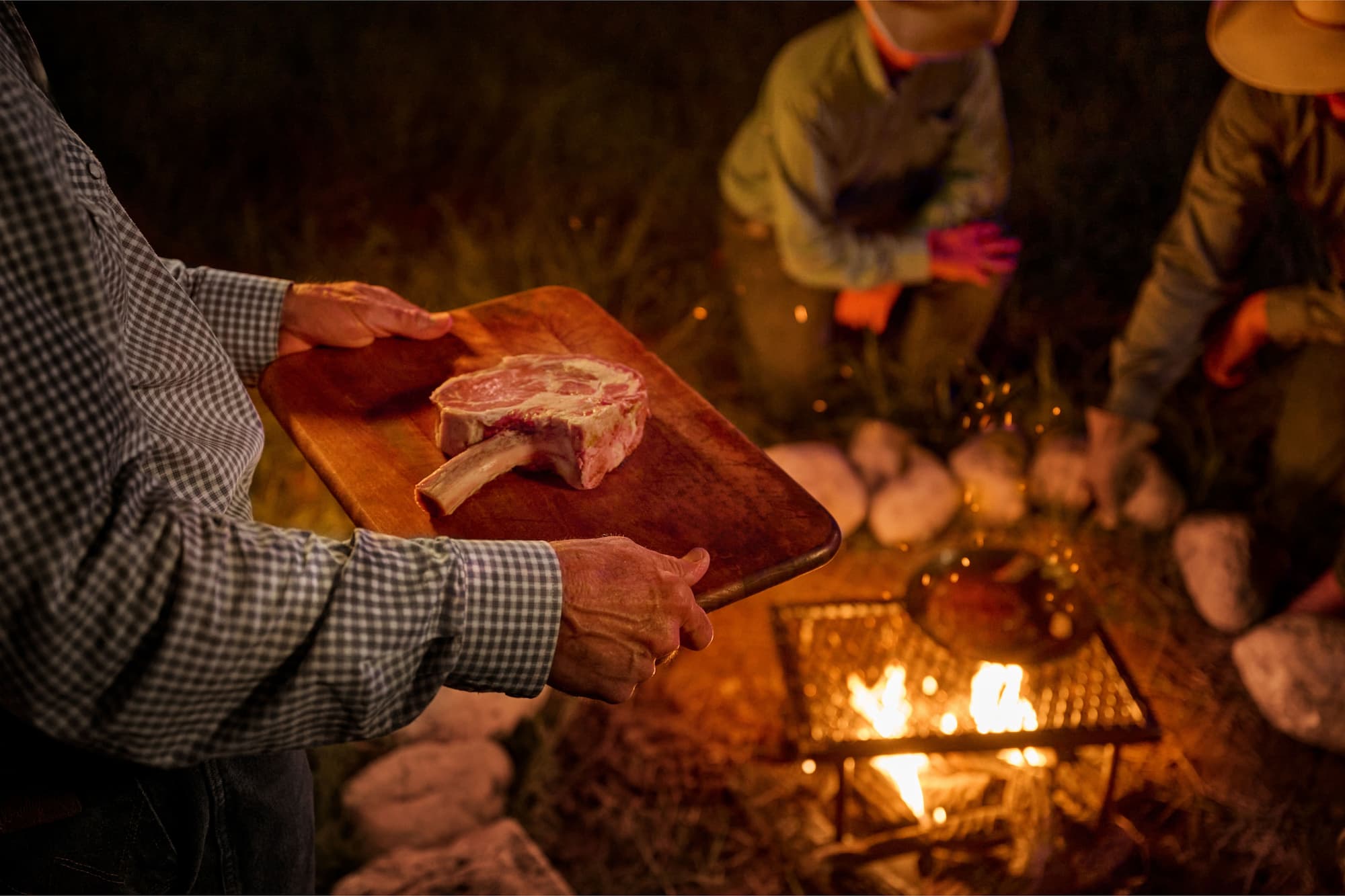
The crew at Original Black's Barbecue in Lockhart has a firm opinion on how a bone-in ribeye ought to be cooked. Watch their method, then fire up your own.

Pick an area to see what comes from it.
Where It Comes From
The shoulder. Hard-working muscle with deep beef flavor that rewards time on the heat.
Typical for the chuck
Best cookedBraise or smoke low and slow
Where It Comes From
The ribeye, cut with the rib bone left in.
Prime Bone-In Ribeye
Best cookedSear hot, then finish over indirect heat
The rib section of the cow is one of the most prized areas for premium steaks and roasts. Located along the upper back beneath the backbone, this section contains the ribeye muscle, known for its exceptional tenderness and rich marbling. The rib section yields some of the most flavorful cuts of beef, including ribeye steaks, prime rib roasts, and short ribs.
Because these muscles do very little work, the meat develops abundant intramuscular fat that melts during cooking. This natural marbling gives ribeye cuts their signature buttery texture, juicy richness, and deep beef flavor that steak lovers crave.
From impressive holiday centerpieces like a standing prime rib roast to perfectly seared ribeye steaks, the rib section delivers the ultimate steakhouse experience. It's widely considered one of the finest cuts of beef for grilling, roasting, or reverse searing.
Where It Comes From
Just behind the rib. Home of the steakhouse classics: strip, filet and porterhouse.
Typical for the short loin
Best cookedHot grill or cast iron
Where It Comes From
Between the short loin and the round. Leaner and firmer, with big beef flavor.
Typical for the sirloin
Best cookedGrill hot, or smoke and slice
Where It Comes From
The hind leg. Lean, firm muscle that does a lot of work.
Typical for the round
Best cookedRoast and slice thin
Where It Comes From
The chest. Tough until smoke and time turn it tender.
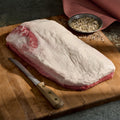
Typical for the brisket
Best cookedSmoke low and slow
Where It Comes From
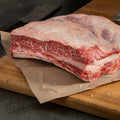
The belly side, under the rib. Rich, well marbled and built for smoke or a hard sear.
Typical for the plate
Best cookedSmoke the ribs low, sear the skirt hot
Where It Comes From
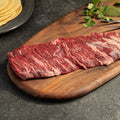
Behind the plate, along the belly. Long-grained, lean and full of flavor.
Typical for the flank
Best cookedHot and fast, sliced thin across the grain
Choose options
Overall rating: 4.6 / 5 from 19 reviews.
Great product! Delicious

No way that steak was PRIME!! Nothing but hard fat that cant be rendered Ended up with about 6oz of meat out of a 24oz cut Steak was sooo tough could hardly cut it? Had to chew like I was a cow!!! That ain’t PRIME, what USDA inspector graded this product? Package was clearly compromised, noticed it after I took it out of the freezer.

Very enjoyable. One steak was cut narrower on one end, so it cooked differently bur still tasted good. Will order from 44 Steaks again, especially the fabulous Smoked Prime Rib. Maria B.

The 24oz prime bone-in ribeye was absolute perfection!! Really appreciate that they wrap the bones, because I sous vide my steaks before searing on the griddle, and this saved me a step in prep. This attention to detail shows how much 44 Steaks cares about their product and their customers. I will definitely be ordering again!!

Great tasting with perfect marbling. Will order again

Waiting to cook in my 44 farms section of the freezer!

As a native Texan with over 40yrs of meat buying and consuming experience , this is amoung the best that. I’ve ever experienced.
Sent these as a gift and it was so easy! They showed up on time and they loved the quality. Thanks!
We are saving these babies for my birthday!
These are in the freezer waiting to be consumed. The marbling is beautiful and we look forward to trying them. So happy to have the cowboy steak in a prime option.
Your steaks are flavorful but VERY TOUGH! Do you have more tender cuts that are just as flavorful?
Awesome as usual !
Best steak i've ever had...tender...juicy...just full of flavor
Fantastic packaging and such high quality beef. Thanks so much
Love your steaks. Just had some Bavettes last night.
As always, 44 steaks comes through with an incredible bone in ribeye that I’m still dreaming about! Outstanding company!
Thank you.
Great
Great looking steaks! Can’t wait to try them!