New York Strip vs. Ribeye: Which Is Better?

When it comes to premium cuts of steak, New York strip and ribeye often go head to head. Steak lovers have strong opinions on their favorite cuts, but the truth is that no one cut is better than the other. Both New York strip and ribeye are exceptional in their own ways, and the “better” choice depends on what you're after in terms of flavor, texture, fat & marbling, and cooking style.
In this guide, we’ll compare a New York steak vs. a ribeye steak to help you decide what to try for your next meal.
Where do NY Strip & Ribeye Come From?
When browsing a steakhouse menu, most people zero in on two cuts immediately: the NY strip steak and the ribeye. Beloved for their flavor and tenderness, both of these cuts deserve their place among the most preferred cuts of steak. But to understand the differences between them, it’s helpful to visualize where they actually come from.
New York Strip
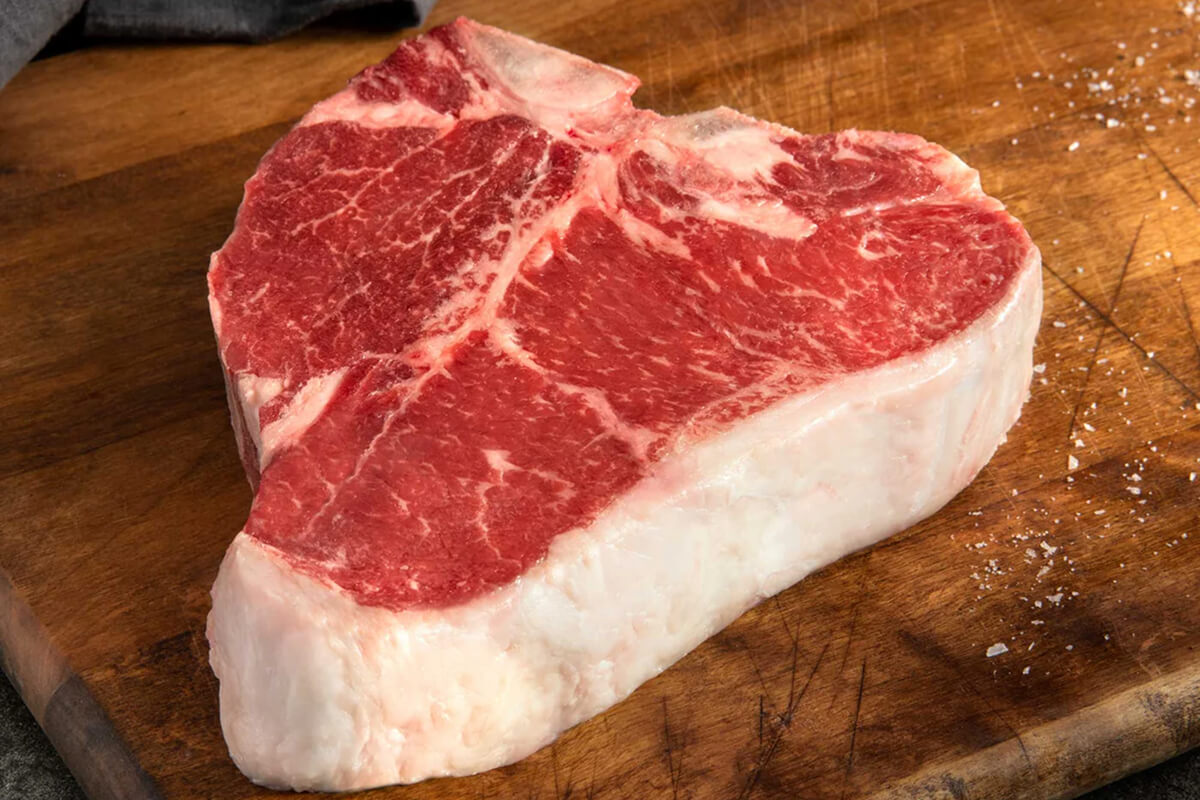
The New York strip cut comes from the short loin section of the cow, located along the upper middle back. This area doesn’t get much exercise when the cow is active, which results in a tender cut with a tighter grain and moderate fat content.
Ribeye Steak
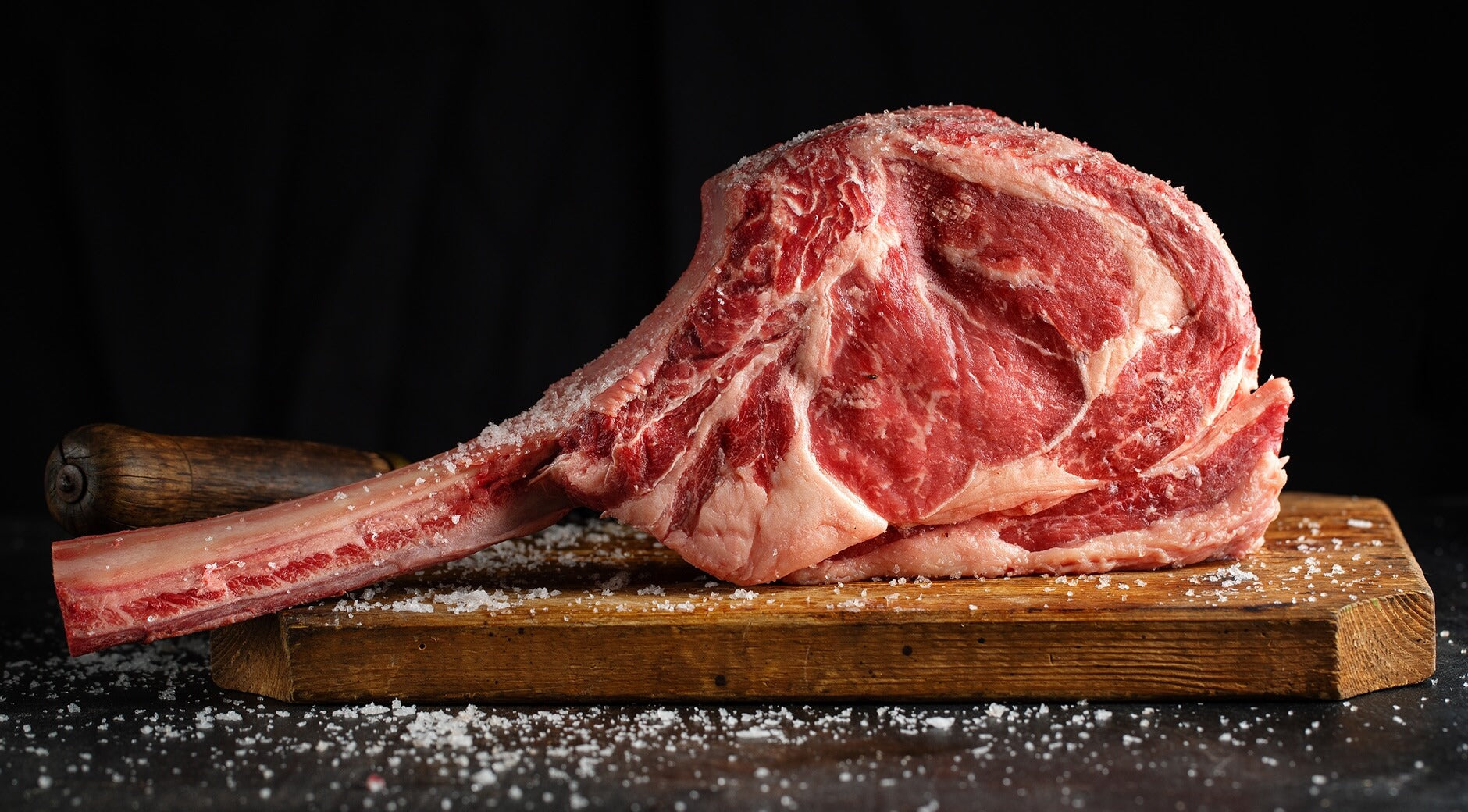
The ribeye is cut from the rib section of the cow, specifically from ribs six through twelve. This area has more fat within the muscles, also known as marbling, which gives ribeye steak its signature richness, juiciness, and tender texture.
Key Differences Between NY Strip and Ribeye
While both the New York strip and the ribeye are known for being premium cuts, their flavor profiles, texture, fat content, and price points set them apart. Let’s be clear: either way, you’re getting a great steak packed with flavor, especially if you go with 44 Farms’ premium all-natural beef. The choice ultimately comes down to what you’re in the mood for and what you want to pay.
Flavor Profile
- Ribeye: Known for its bold, buttery flavor due to heavy marbling. The fat renders during cooking to create a rich and juicy bite.
-
NY Strip: Offers a more balanced, beefy flavor. NY strip is still tender but less fatty, making it an ideal cut for those who prefer a less buttery taste.
Texture & Tenderness
- Ribeye: This cut is extremely tender due to its high fat content. When cooked correctly, the texture is soft and juicy.
-
NY Strip: This cut is slightly firmer with more chew than ribeye. NY strip is still very tender compared to leaner cuts.
Fat Content
- Ribeye: High marbling throughout the cut of steak.
-
NY Strip: Moderate marbling throughout with a thick strip of fat along one edge.
Cooking Versatility
- Ribeye: This cut is best suited for high-heat cooking methods like grilling, baking, or pan-searing. The fat content helps prevent the ribeye from drying out as it cooks. The recommended doneness for ribeye steak is medium-rare.
-
NY Strip: This cut is more versatile overall. It’s a great cut for grilling, pan-searing, or broiling. The recommended doneness for NY strip steak is medium-rare.
Price
- Ribeye: Typically a more expensive cut due to its higher fat content and popularity among steak lovers. The price also climbs steeply once you start browsing bone-in ribeyes, but the bone does contribute a greater depth of flavor. This cut is great for date nights and special occasions.
-
NY Strip: While still considered premium, it’s usually a more affordable cut of steak. This means you can feed a crowd while still prioritizing quality.
Bone-in and Boneless Options
- Ribeye: Bone-in ribeye, also called cowboy or tomahawk steak, can help retain moisture during cooking. Boneless ribeye tends to cook more evenly and is better for beginners to prepare.
-
NY Strip: Bone-in NY strip, also called Kansas City strip, offers a slightly richer flavor and a more traditional steakhouse feel. Boneless New York strip is more common and easier to handle in everyday cooking.
What to Serve With Each Cut
Pairing different steaks with the right sides, flavors, and wines can bring out the best in each cut. Here’s what we recommend you serve with ribeye or NY strip.
Best Pairings for Ribeye
Because ribeye is rich, it’s typically paired with lighter or acidic sides to balance the buttery flavor of the fat. Consider serving ribeye with:
- Roasted root vegetables, asparagus, or Brussels sprouts.
- A fresh green salad with a lemony vinaigrette.
- Whipped mashed potatoes with pan sauce.
- Herby chimichurri or horseradish cream sauce.
Best Pairings for NY Strip
Because New York strip has a balanced flavor profile, it works well with bold flavors and simple sides. Consider pairing New York strip with:
- Classic steakhouse fries with steak sauce.
- Creamed spinach.
- Baked potatoes with butter, sour cream, and chives.
- A mushroom or creamy peppercorn pan sauce.
So, What’s Better? Ribeye or New York Strip?
When comparing the differences between NY strip and ribeye, it’s hard to determine which cut is truly better. It all depends on your preferences.
Choose ribeye if:
- You want maximum flavor and juiciness.
- You enjoy fatty, tender cuts of steak.
- You’re cooking for a special occasion.
Choose NY strip if:
- You prefer a leaner, firmer texture.
- You want an affordable premium cut of steak.
- You’re looking for an everyday, versatile cut.
There’s not a clear winner when it comes to the NY strip vs. ribeye debate. The truth is, you can’t go wrong. Both cuts come from prized sections of the cow and have incredible flavor and texture when cooked properly. At the end of the day, the “better” cut of steak is the one that fits your taste, your cooking style and capabilities, and your meal. Whether you go for the rich, juicy ribeye or the balanced, beefy NY strip, you’re getting a top-tier cut that’s hard to beat.
Order NY Strip or Ribeye from 44 Farms
Established in 1909 by S.W. and Josie McClaren near Cameron, Texas, 44 Farms has grown into one of the nation’s leading registered Angus operations. For five generations, our family has upheld an unwavering commitment to quality and tradition. When you’re ready to prepare something truly special, 44 Farms is proud to be part of your table. Explore our collection of recipes designed to bring out the very best in our beef.
Order Your Steaks TodayFrequently Asked Questions
Can you use the same cooking methods for NY strip and ribeye?
Yes, both NY strip and ribeye can be grilled, pan-seared, or broiled. However, ribeye benefits from a slightly longer and lower-temperature cooking to render fat, while NY strip should be cooked carefully to avoid overcooking and toughness.
Which cut of steak, ribeye or NY strip, is more affordable?
New York strip is typically a more affordable cut of steak due to its popularity and commonality among steak lovers. Ribeye is considered a more premium, higher-quality cut of steak, resulting in a higher price point.
Which steak is more tender, New York strip or ribeye?
Ribeye is generally a more tender cut of meat because of its high fat content and marbling. However, both NY strip and ribeye can be incredibly tender based on how they’re cooked.