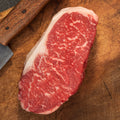



Grill day with 44 farms porterhouse steak

Pack size 30 oz steaks, in packs of 2, 4, 6 or 8
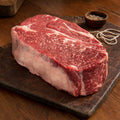
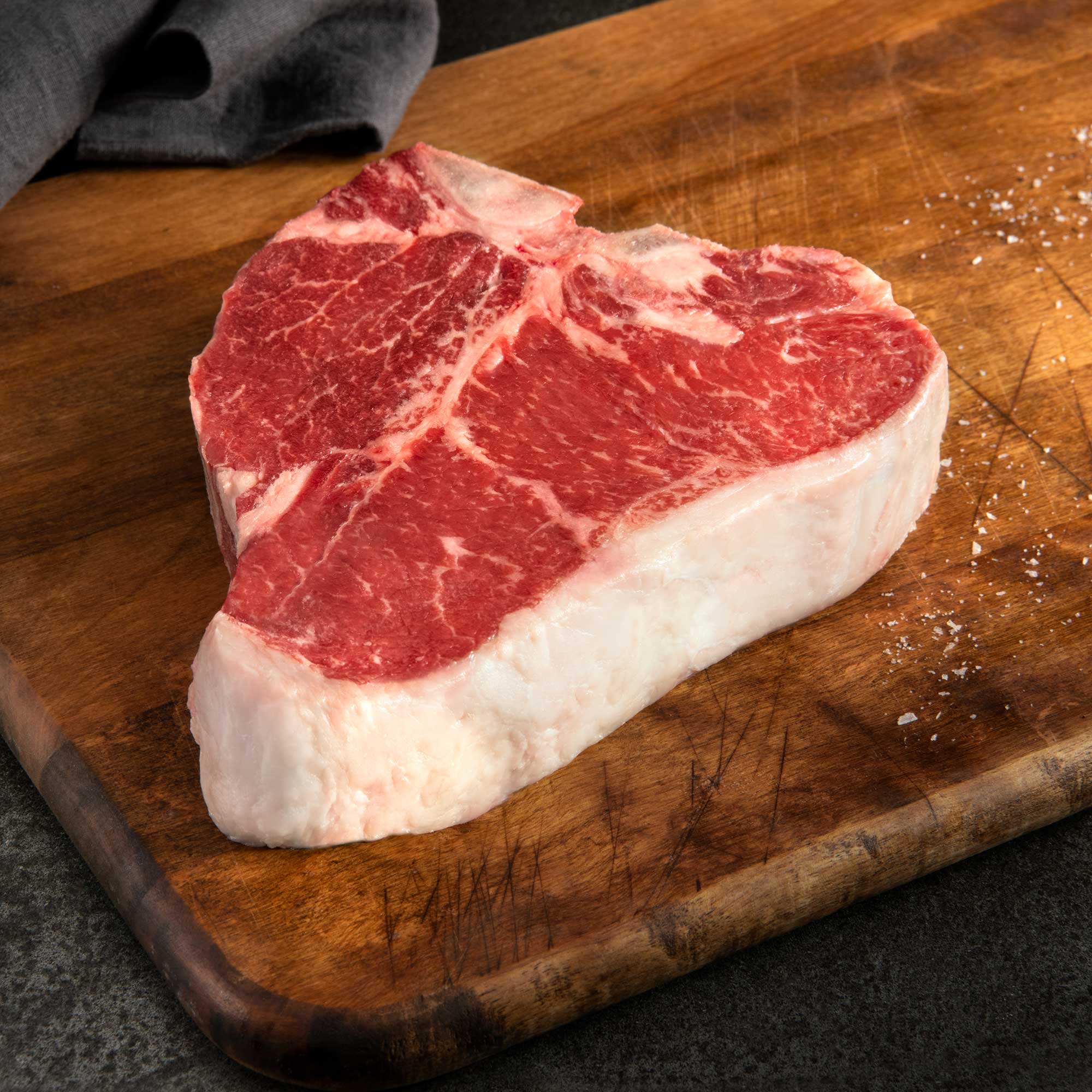
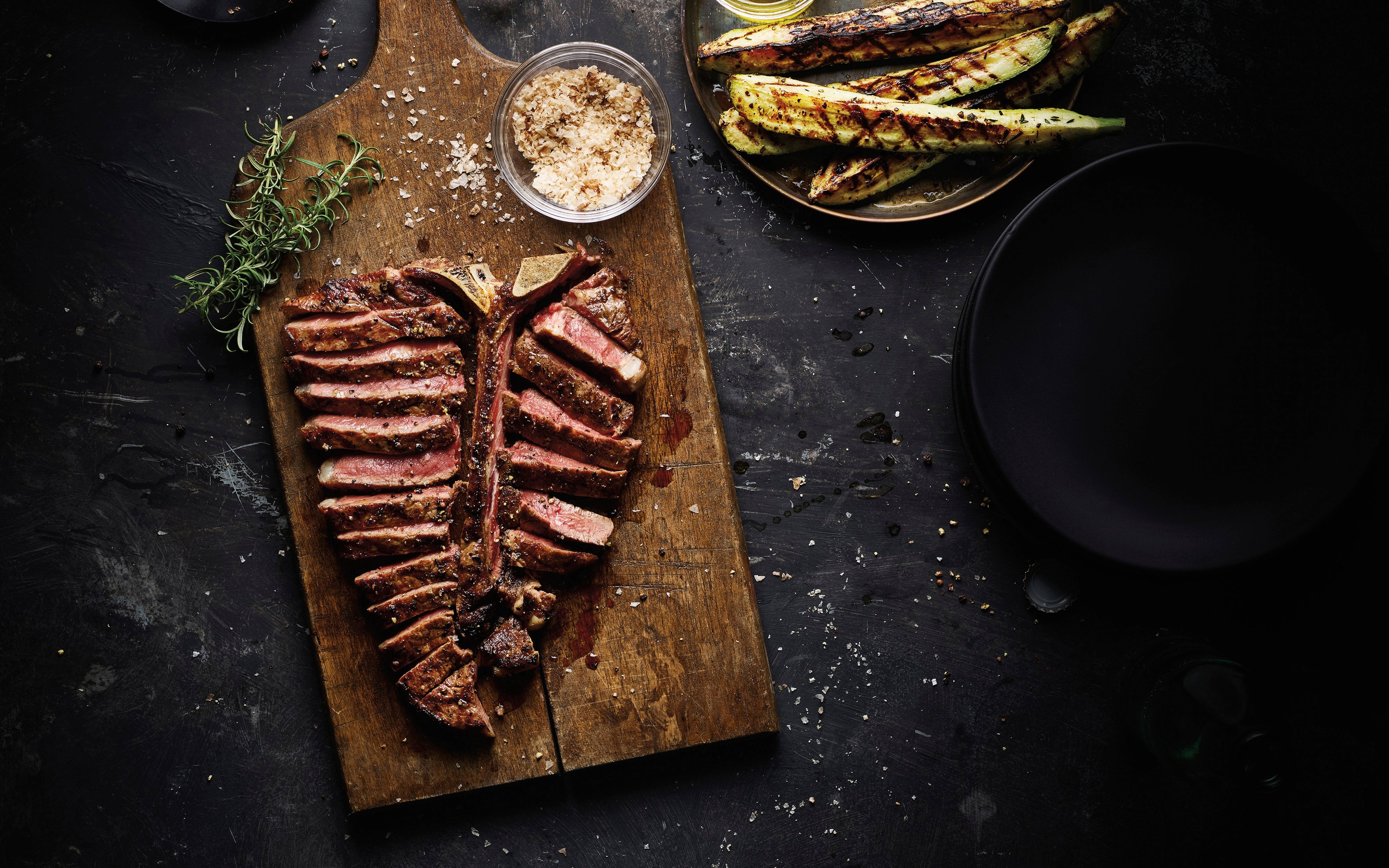
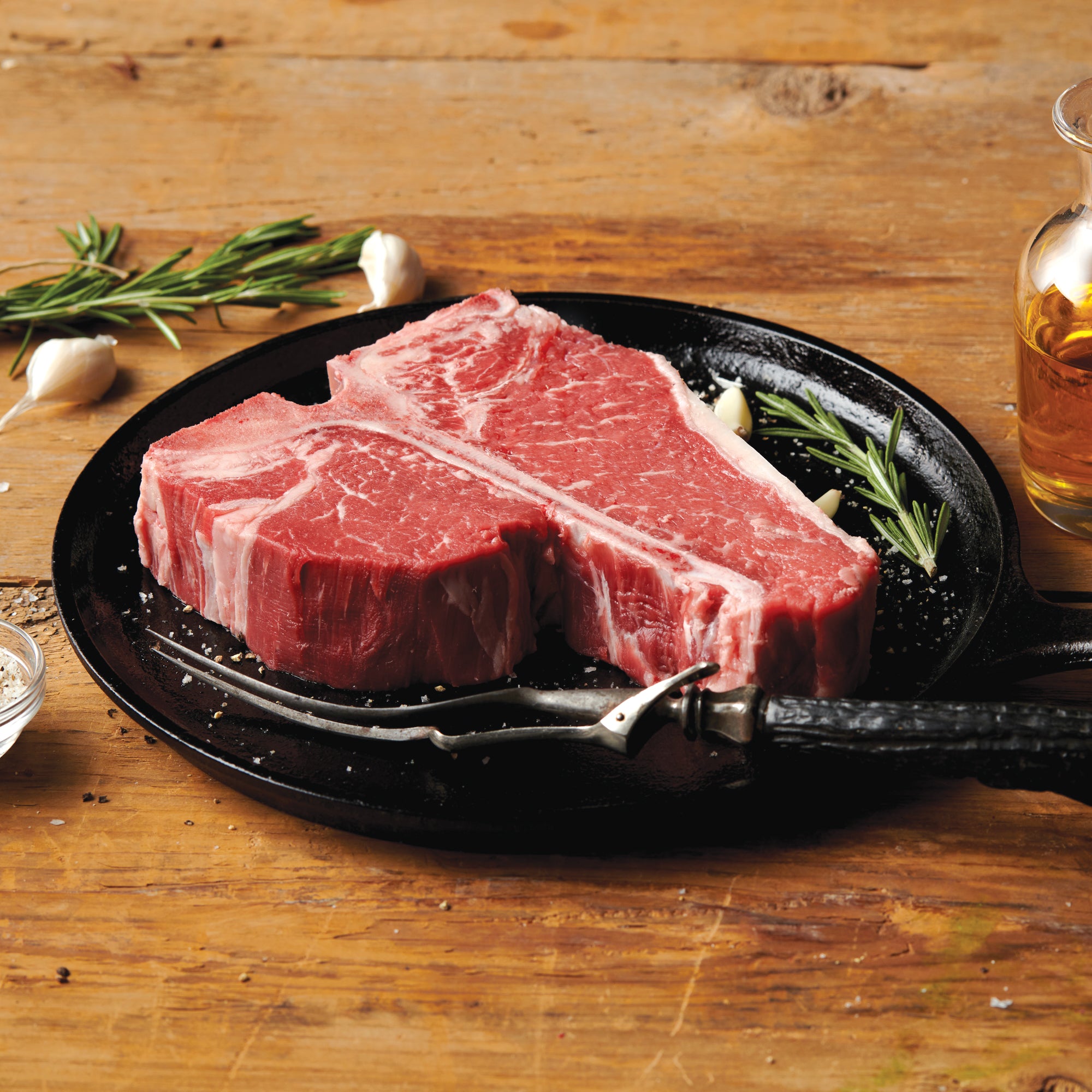
The USDA Choice Porterhouse Steak, easily recognized by its generous tenderloin muscle, offers a succulent blend of flavor and tenderness in an impressive 30-oz cut. Perfectly sized for sharing during special occasions or celebrations, our porterhouse steak delivers an unforgettable dining experience.
Often compared to the T-bone steak, both steaks come from the short loin section of the cow and feature the iconic T-shaped bone surrounded by meat. However, the key distinction lies in the size of the tenderloin portion—Porterhouse steaks have a significantly larger filet mignon than T-bones, making them ideal for steak lovers seeking the ultimate combination of rich flavor and melt-in-your-mouth tenderness.
Serving Size: 4 oz (112g)
Servings Per Container: Varied
| Amount | % Daily Value* | |
|---|---|---|
| Calories | 293 | |
| Total Fat | 23g | 35% |
| Saturated Fat | 9g | 46% |
| Trans Fat | 0g | |
| Cholesterol | 77mg | 26% |
| Sodium | 59mg | 3% |
| Total Carbohydrate | 0g | 0% |
| Dietary Fiber | 0g | 0% |
| Sugars | 0g | |
| Protein | 20g | |
| Vitamin A | 0% | |
| Vitamin C | 0% | |
| Calcium | 1% | |
| Iron | 12% |
*Percent Daily Values are based on a 2,000 calorie diet.
If you're not satisfied, neither are we. We work to put beef on your table that is worthy of the place, and when we miss, we make it right.
Let us know within 24 hours of delivery. First, we will replace your order. If you would rather not have a replacement, we will issue a 44 Farms gift card. If neither of those works for you, call us at (254) 605-6444 or email orders@44farms.com and we will work it out with you.
What is the difference between a porterhouse and a T-bone steak?
Both steaks come from the short loin and contain a New York strip and tenderloin separated by a T-shaped bone. A porterhouse has a significantly larger filet mignon section than a T-bone.
Is a porterhouse steak good for sharing?
Yes. At approximately 30 ounces, a porterhouse steak is often considered the perfect steak for two people, making it a popular choice for date nights, celebrations, and special occasions.
What is the best way to cook a porterhouse steak?
A reverse sear is one of the best methods. Slowly bring the steak up to temperature before finishing over high heat to create a flavorful crust while keeping the filet and strip tender and juicy.
What temperature should a porterhouse steak be cooked to?
For the best balance of tenderness and flavor, most steak lovers prefer porterhouse steak cooked to medium-rare, around 130–135°F final internal temperature.
Why is porterhouse called the king of steaks?
The porterhouse combines two premium steak cuts—a filet mignon and a New York strip—into one impressive steak. Its size, tenderness, flavor, and presentation have earned it the nickname “King of Steaks.”
Cook it right
Finished temperatures. Pull it about 5 degrees early, because it keeps climbing while it rests.
Temperatures in °F. USDA recommends 145°F with a 3-minute rest for steaks and roasts, and 160°F for ground beef.
Watch
Original Black's Barbecue in Lockhart put our 30 oz porterhouse on the smoker. See what a big steak does with a little Texas smoke.

Pick an area to see what comes from it.
Where It Comes From
The shoulder. Hard-working muscle with deep beef flavor that rewards time on the heat.
Typical for the chuck
Best cookedBraise or smoke low and slow
Where It Comes From
The upper back, under the backbone. These muscles do little work, so they marble heavily and stay tender.
Typical for the rib
Best cookedReverse sear, or grill over hot coals
Where It Comes From
One T-shaped bone with strip on one side and filet on the other.
Choice Porterhouse Steak
Best cookedReverse sear, or grill over two heat zones
The short loin primal sits just behind the rib section along the upper back of the cow. This area produces some of the most tender and sought-after cuts of beef thanks to muscles that do very little work.
From the short loin come classic steakhouse favorites like the New York Strip and the T-Bone steak. These cuts are prized for their tenderness, fine texture, and rich beef flavor that shines with simple seasoning and high-heat cooking.
Because of its balance of tenderness and flavor, the short loin is home to some of the most popular steaks served in restaurants and prepared on backyard grills. Whether pan-seared or grilled over open flame, cuts from the short loin deliver a premium steak experience.
Where It Comes From
Between the short loin and the round. Leaner and firmer, with big beef flavor.
Typical for the sirloin
Best cookedGrill hot, or smoke and slice
Where It Comes From
The hind leg. Lean, firm muscle that does a lot of work.
Typical for the round
Best cookedRoast and slice thin
Where It Comes From
The chest. Tough until smoke and time turn it tender.
Typical for the brisket
Best cookedSmoke low and slow
Where It Comes From
The belly side, under the rib. Rich, well marbled and built for smoke or a hard sear.
Typical for the plate
Best cookedSmoke the ribs low, sear the skirt hot
Where It Comes From
Behind the plate, along the belly. Long-grained, lean and full of flavor.
Typical for the flank
Best cookedHot and fast, sliced thin across the grain

Choose options
Pack size 30 oz steaks, in packs of 2, 4, 6 or 8
Overall rating: 4.9 / 5 from 165 reviews.
Grill day with 44 farms porterhouse steak

Love these steaks iam 60 and bench 300 plus because I eat a porterhouse every day

Perfect porterhouse at a reasonable price

I love meat. lol It’s really good.

All beef franks, beef jerky, and 30 oz porterhouse. Can’t beat that! 44 Farms provides excellent meals!

Simple salt and pepper Reverse seared Excellent!!! Looking Forward to the 2nd one 😛

The meat was very good and tender!

Delicious! Beautiful marbling.

Quality and weight are there, but where is the filet, not much there.

44 has to br part of your family’s table

As tender as you can get and his flavorful as you can get Craig Porter house

What’s great porterhouse!!!

Always top notch steaks, the Porterhouse and Tomahawk being my current fav's. Deliver is always on time, frozen in dry ice, never 1/2 thawed, etc. I've yet to find any online company that tops these folks! Keep it going 44Farms!

I have purchased American Wagu Brisket from other organizations. They did not come close to the flavor of 44 Farms. I am a fan of 44 Farms for my special beef purchases. A special thanks to Matt Pittman from Meatchurch for letting the viewers know where he get's his beef.

Great grilling These are the best steaks I have ordered from 5 different companies all good but nothing lives up to these, one steak with sides feeds both my wife and I

Grilled Porterhouse! Arrival as expected, grilling was a fabulous evening. Everyone had a great time! Steaks were the centerpiece of the evening. Quality was outstanding.
Recently had a great Florentine steak in Colorado. Meanwhile i was reading a book featuring a renowned Italian butcher preaching the gospel of raising the cows the right way. In short, i was on a mission to source the highest, healthiest, best-tasting quality beef for home. I had eaten 44 Farms hot dogs and burgers. I described what i wanted and got a prompt recommendation to try the porterhouse. It lived up to my highest expectations. Delicious!
2 of the 4 porterhouse steaks virtually had no tenderloin when received. Called 44 and they sent us 2 porterhouse steaks which had a good sized tenderloin free of charge. Was nice reflex from 44 but think there QC needs evaluation.
Just bought 8 Porterhouse Steaks. Absolutely fantastic. Delicious in taste and appearance. I gave a couple away to my son and son-in-law so they can enjoy them too. My grandson and I shared one that the wife cooked up and it was more than a meal for two.
Fantastic, shared with wife, tender and flavorful
Awesome steak !!! Can’t wait to reorder
Excellent steaks!!! And arrive quickly!
Excellent quality and delivery service! Amazing steaks! Definitely worth and will continue buying from 44 farms!! In fact, already did!
The porterhouse steaks are great. Tender and full of great flavor. I will be purchasing more in the future.
Porterhouse is my favorite steak trend right now. You get the best filet, the best New York strip & a beautiful bone to cook down. It makes memories!
The best! Slow and low melts in your mouth!
Great products will order again.
Great on the grill. Will order again.
The steaks taste great
Awesome!
Fed ex missed my delivery up by a day but it came still frozen and fresh. Thanks a lot!
Easy to order from web site - the order shows up within 2 days.
I can’t say enough good things about 44 Farms bone in ribeyes and porterhouse steaks! They’re flavorful and tender; we haven’t had a tough steak yet; love their steaks!
Porterhouse steak is huge. By far the thickest steak I’ve purchased from 44. Excellent flavor, Wished I’d taken a picture of this beauty on the grill. I always buy the ribeyes, but the porterhouse is just as good.
Porterhouse was great!
great quality and taste better than any steak i’ve ever had
It was a gift for my sons birthday it arrived a day late I don’t know if he has ate 1 of the steaks yet or not
Delicious!
The last 2 orders did not taste like real meat, not sure what is going on , I'm a long time exceptional customer if you look at my order history, not sure what changes you have made but the quality of meat has changed
These steaks were a birthday gift for my brother across the country and he was just delighted! He said they were the best steaks he had EVER had! Thank you so much!!!