How to Reverse Sear a Steak (Step-by-Step Guide)
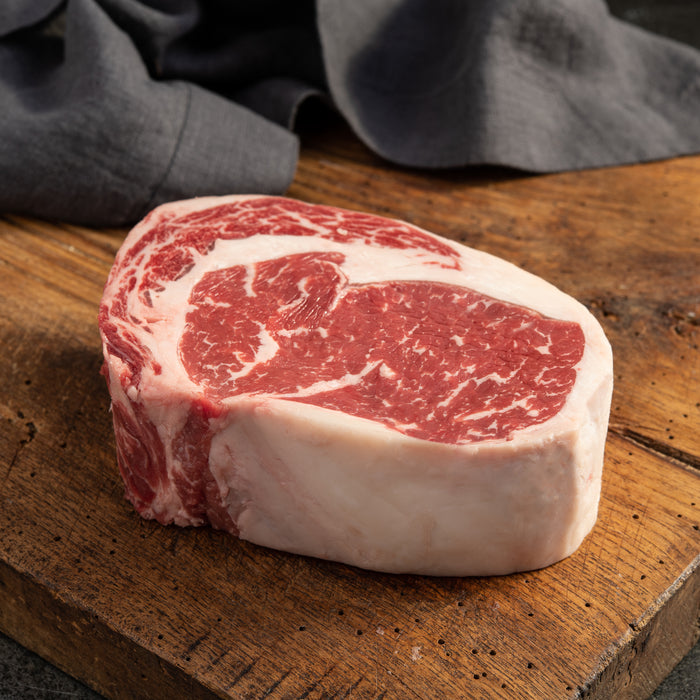
Cook it with 44 Farms: USDA Prime Boneless Ribeye Steak| Table of Contents |
|---|
| 1. Why It Works |
| 2. Best Cuts |
| 3. Oven Method |
| 4. Grill Method |
| 5. Pull Temps |
| 6. Common Mistakes |
| 7. Frequently Asked Questions |
Key Takeaways
- Best for steaks 1.5 inches or thicker
- Cook at 225–275°F until 10–15°F under your target, then sear hard for 60–90 seconds a side
- Gives you edge-to-edge color with almost no gray band
- A thermometer isn't optional here

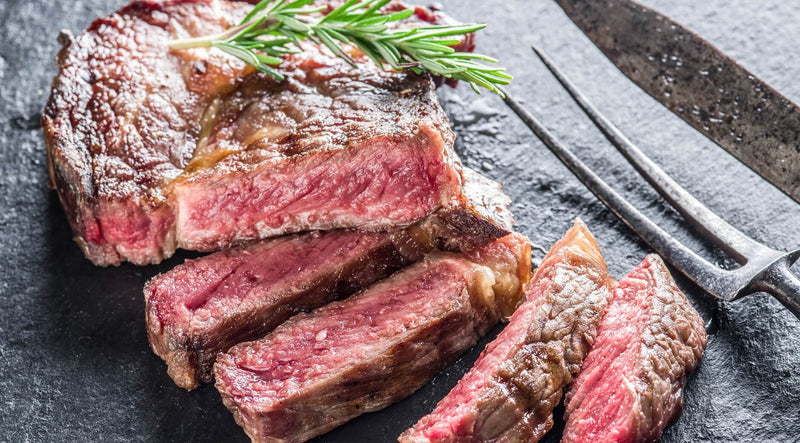
The reverse sear flips the usual order. Instead of searing first and finishing in the oven, you bring the steak up slowly in low heat, then hit it with a screaming-hot sear right at the end. The result is a steak that's the same color from edge to edge, with a crust that hasn't had time to overcook the meat under it.
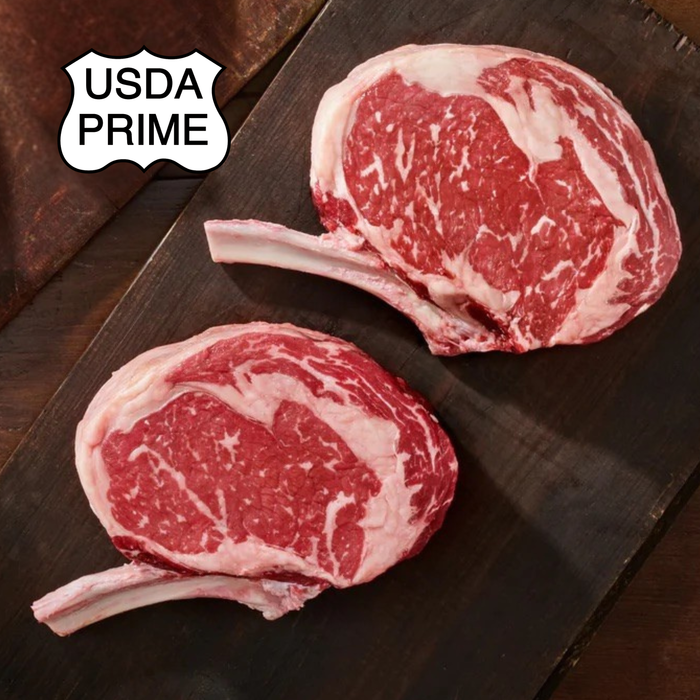
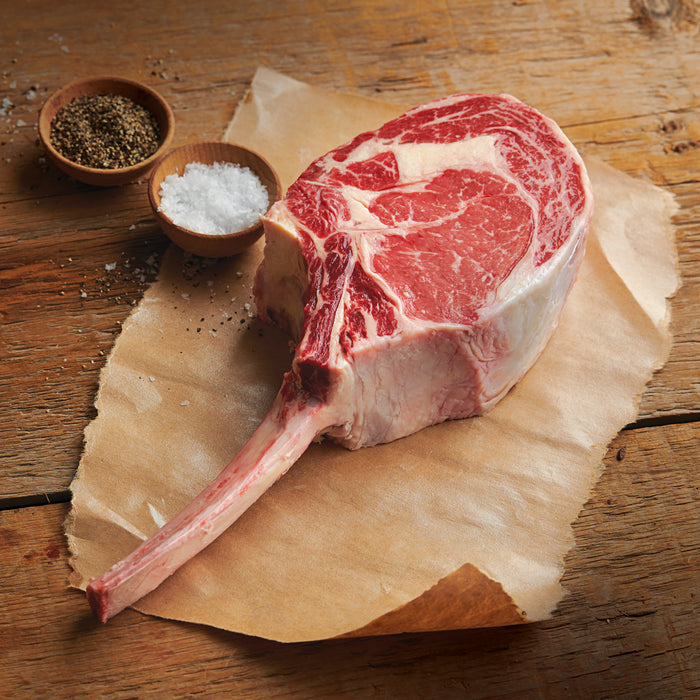
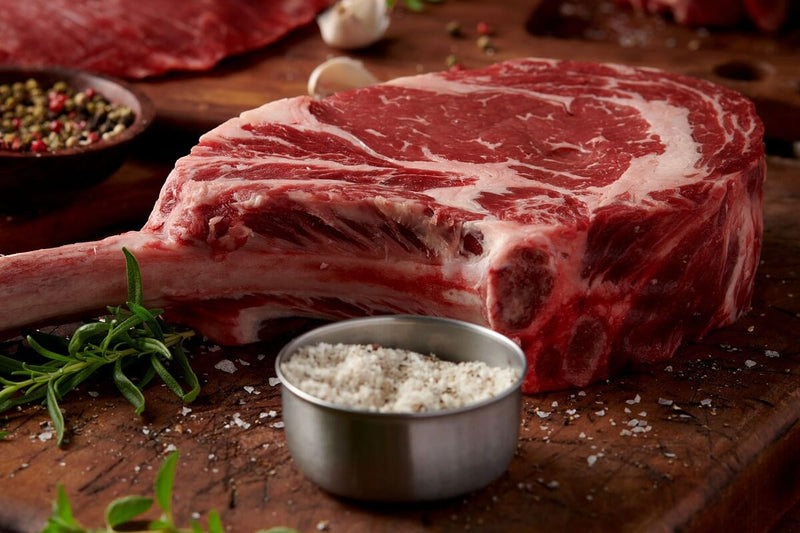
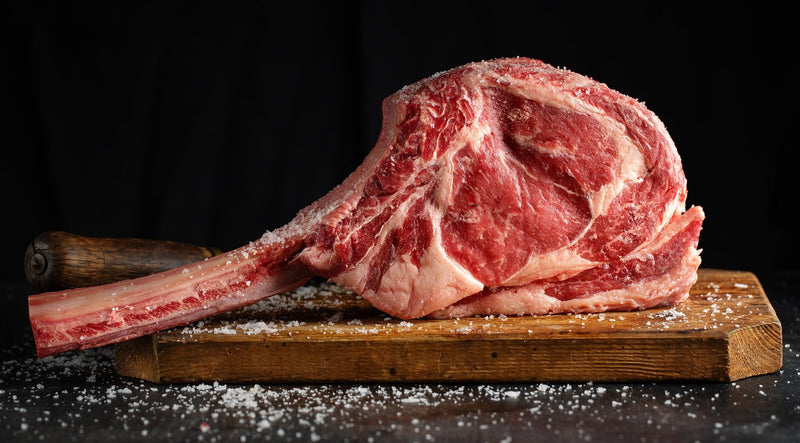
It's the method we reach for with thick cuts like a USDA Prime bone-in ribeye or a tomahawk, where a pan-only cook leaves you choosing between a raw middle and a burnt outside.
Why the Reverse Sear Works
Two things happen in the low-heat stage. The steak warms gently, so the outer half-inch doesn't race ahead of the center. And the surface dries out, which means it browns fast once it hits the pan. Fast browning is the whole game: the less time the steak spends at searing heat, the thinner that gray band under the crust.
It's also forgiving. At 250°F a steak climbs a few degrees every few minutes, not every few seconds, so you have room to check it and pull it on time.
The Best Steaks to Reverse Sear
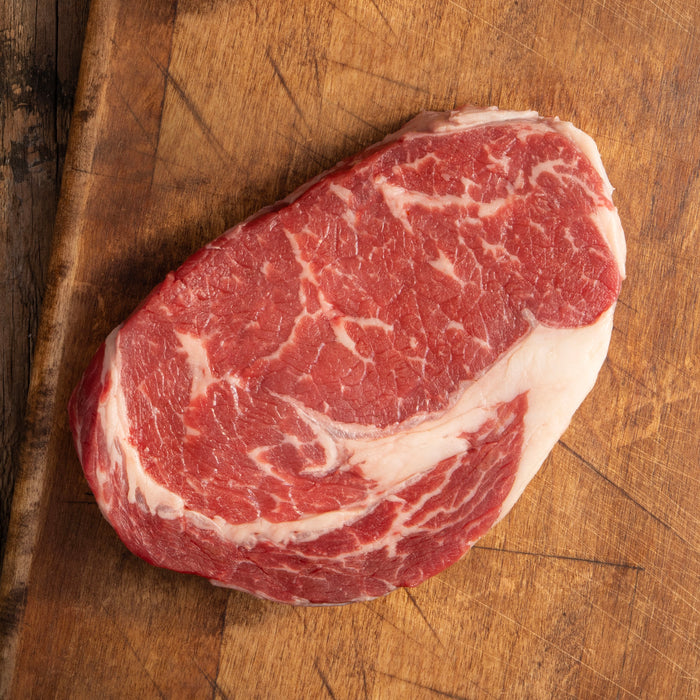
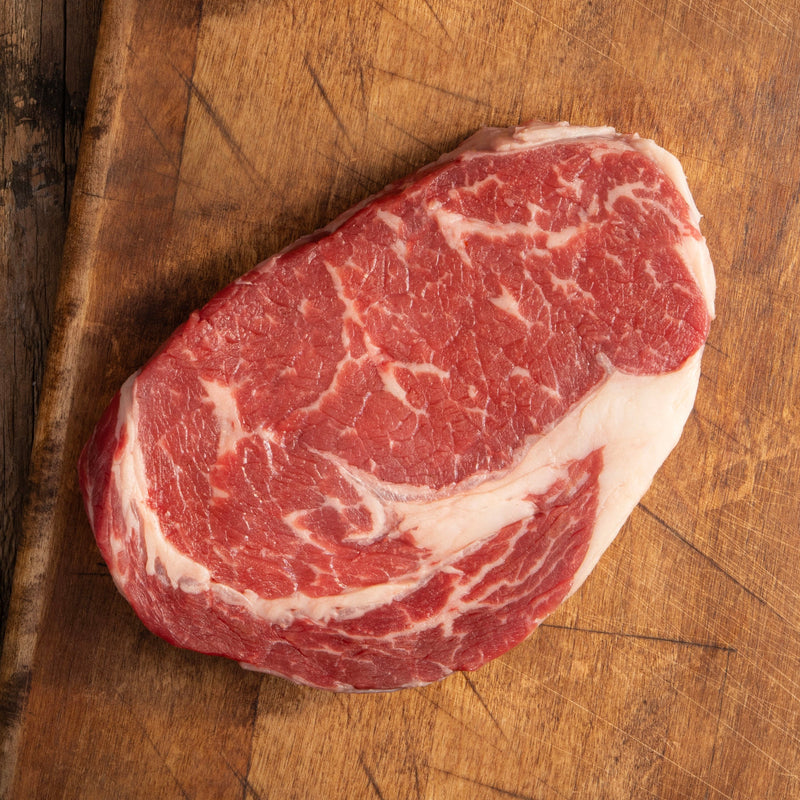
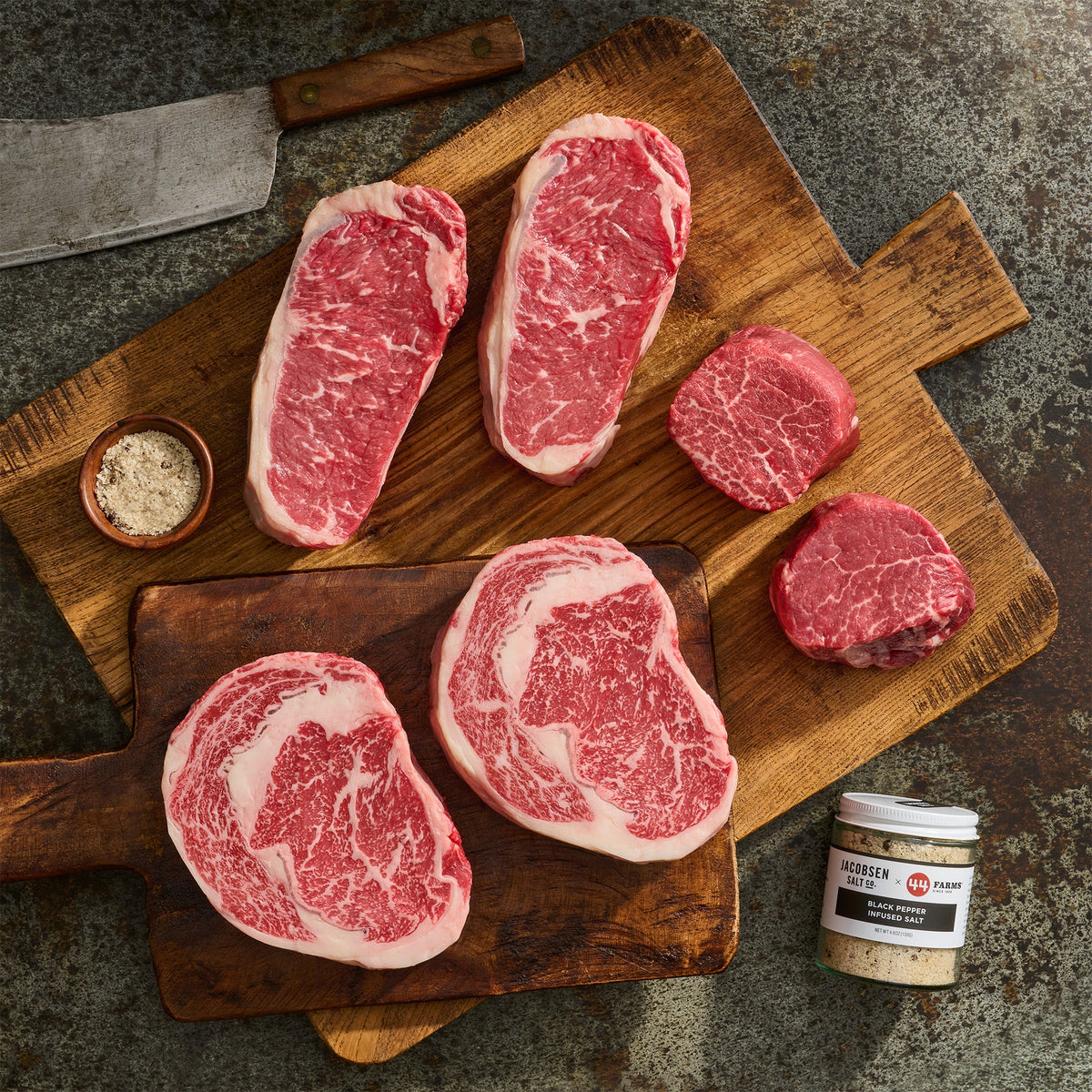
- Thick ribeyes and bone-in ribeyes. The marbling has time to render. Shop ribeye steaks.
- Tomahawks. Too big for a pan-only cook. See how to cook a tomahawk steak.
- Thick New York strips and porterhouses. A porterhouse cooks more evenly this way because the strip and the filet side finish closer together.
- Filet mignon. Thick and lean, so the gentle start keeps it from drying out. Our filet guide covers it.
Under about 1.25 inches, skip it. A thin steak gets to temperature in the oven before the surface dries, and you're better off with a straight sear in a hot pan.
How to Reverse Sear a Steak in the Oven
- Season early. Pat the steak dry and salt it on all sides. If you have the time, do it the night before and leave it uncovered on a rack in the fridge. Coarse pepper goes on now or right before the sear.
- Set the oven to 250°F (225–275°F all works; lower is slower and more even). Put the steak on a wire rack over a sheet pan so air gets underneath.
- Cook to 10–15°F below your target. For medium-rare, pull it at about 115–120°F. A 1.5-inch steak usually takes 35–50 minutes. Start checking at 25.
- Rest 5–10 minutes while you get a cast iron skillet ripping hot over high heat.
- Sear 60–90 seconds a side in a thin layer of high-heat fat. Beef tallow or pecan oil both handle the heat. Hold the steak on its edge to render the fat cap. Butter, garlic and thyme go in for the last 30 seconds if you want to baste.
- Slice and serve. It already rested before the sear, so a minute or two is plenty.
How to Reverse Sear on the Grill
Same idea, two zones. On a charcoal grill, pile the coals on one side. On a gas grill, light one or two burners and leave the rest off. Aim for 250–275°F on the cool side with the lid closed.
- Put the seasoned steak on the cool side, lid down, with the thick end facing the heat.
- Cook to 10–15°F under your target, flipping once halfway.
- Open the vents or crank the burners so the hot side is as hot as it gets.
- Sear 60–90 seconds a side over direct heat. Watch for flare-ups on fatty cuts.
A smoker works for the first stage too. Add a chunk of oak or pecan and you get a light smoke ring before the sear. For full grill setups, see our guides to charcoal and gas grilling.
Reverse Sear Temperatures
Pull from low heat 10–15°F below the final temperature. The sear adds most of that, and a short rest adds the rest.
| Final doneness | Pull from low heat | Final temp |
|---|---|---|
| Rare | 105–110°F | 120°F |
| Medium-rare | 115–120°F | 130°F |
| Medium | 125–130°F | 140°F |
| Medium-well | 135–140°F | 150°F |
The USDA's minimum safe internal temperature for whole cuts of beef is 145°F followed by a 3-minute rest. Plenty of steak lovers cook below that for texture. That's your call. Either way, go by a thermometer, not by color.
Full chart: steak temperatures for every doneness.
Common Reverse Sear Mistakes
- Pan isn't hot enough. A lukewarm sear takes three minutes a side and undoes the whole point.
- Wet surface. Pat it dry again right before it hits the pan.
- Pulling too late. If you pull at your final number, the sear pushes you a full doneness past it.
- Using it on thin steaks. Save it for 1.5 inches and up.
Start With a Steak Worth the Wait
The reverse sear rewards a thick, well-marbled cut. Our USDA Prime Bone-In Ribeye is Black Angus, wet-aged 28 days, with no added hormones or antibiotics. Want a recipe to start with? Try our tallow-basted reverse sear ribeye.
Shop RibeyesFrequently Asked Questions
What temperature should the oven be for a reverse sear?
Anywhere from 225°F to 275°F. We like 250°F. Lower takes longer and cooks a little more evenly; higher is faster with slightly less margin for error.
How long does it take to reverse sear a steak?
For a 1.5-inch steak at 250°F, plan on 35 to 50 minutes in the oven plus a few minutes to sear. Thicker steaks and bone-in cuts take longer. Go by temperature, not the clock.
Do you rest a steak after a reverse sear?
Rest it between the oven and the sear for 5 to 10 minutes. After the sear, a minute or two is enough, since the steak has already rested.
Is reverse sear better than searing first?
For thick steaks, yes. You get more even doneness and a thinner gray band. For steaks under about 1.25 inches, a straight hot-pan sear is faster and works just as well.