How To Cook Filet Mignon (The Right Way)

When you're cooking filet mignon, there's no room for "good enough." This is the king of the tenderloin, the most fork-tender cut on the entire steer, and if you've invested in a USDA Prime filet from 44 Farms, you already know you're working with something special. The last thing you want is to leave that buttery, melt-in-your-mouth magic sitting on the table because of a misstep in the kitchen.
The good news? Cooking a perfect filet mignon is absolutely achievable at home, and once you nail this technique, you'll never need a steakhouse reservation again. Whether you're cooking for date night, a holiday dinner, or just because it's a Tuesday and you deserve something extraordinary, this 44 Farms step-by-step guide on how to cook filet mignon has you covered.
Let's get into it.

What Makes Filet Mignon So Special
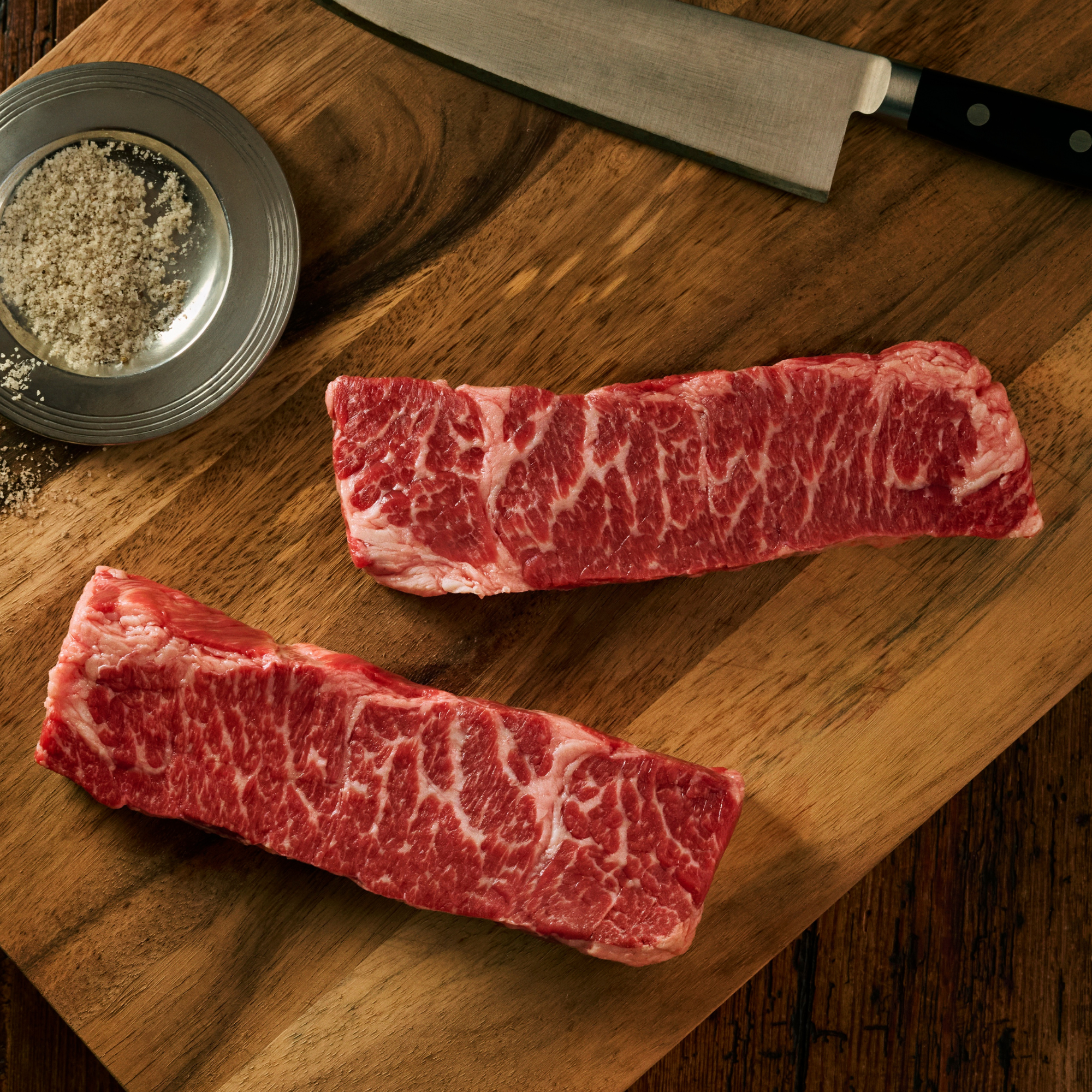
"Filet mignon" is French for "delicate fillet," and that name tells you everything you need to know. These steaks are cut from the tenderloin, a muscle located within the prized short loin and sirloin regions of the steer that does virtually no work during the animal's life. The filet mignon is the most fork-tender of all beef cuts, offering a lean, subtle flavor with a melt-in-your-mouth texture that no other cut can match. What it lacks in the bold, beefy richness of a ribeye or strip, it more than makes up for in buttery tenderness and beautiful presentation.
Is your mouth watering yet?
The 44 Farms USDA Prime Filet Mignon takes that naturally exquisite cut and refines it even further. Carefully selected from Black Angus cattle and raised under 44 Farms' legendary "never, ever" commitment (no hormones, no antibiotics, no feed additives, ever), then wet-aged for a full 28 days for maximum tenderness and depth of flavor, this is beef that truly earns its place on your family table.
The Best Way To Cook Filet Mignon: Pan-Sear + Oven Finish
Ask any serious steak cook, and they'll tell you the same thing: the best way to cook a filet mignon is the classic pan-sear-to-oven-finish method. Here's why it works so well:
- The screaming-hot cast-iron skillet builds a gorgeous, deeply browned crust on the outside. That's the Maillard reaction doing its delicious thing.
- Finishing in the filet mignon in the oven gives you precise, even heat all the way through the steak, so you hit your target temperature without burning the exterior.
- Basting with butter and aromatics during the sear adds another dimension of flavor to an already exceptional cut.
Filet Mignon Recipe: What You'll Need
The Star of the Show
Two 44 Farms Prime Filet Mignon Steaks (6 or 8 ounces), 1 1/2 to 2 inches thick
The Supporting Cast
- Kosher salt and freshly cracked black pepper
- 1–2 tablespoons high-smoke-point oil (avocado oil or grapeseed oil works great)
- 3 tablespoons unsalted butter
- 3 garlic cloves, smashed
- 2–3 sprigs fresh thyme or rosemary (or both — go for it)
Equipment
- Cast-iron skillet (10–12 inch) — this is a "gotta-have" if you want the best crust
- Oven-safe tongs
- Instant-read meat thermometer (don't skip this, it's your best insurance policy)
- Spoon for basting
- Cutting board and aluminum foil for resting
Filet Mignon Internal Temperature Guide
Before you fire up the stove, get familiar with your doneness targets. Pull the steak from the oven at the "pull temp;" it'll climb a few more degrees while resting (called carryover cooking):
- Rare: Pull at 115°F, serve at ~120°F. Deep red center, cool to the touch inside.
- Medium-Rare: Pull at 125°F, serve at ~130°F. Bright red-pink center, warm throughout. This is the sweet spot for filet mignon — it delivers the ultimate in tenderness and flavor.
- Medium: Pull at 135°F, serve at ~140°F. Pink center, firmer texture. Still delicious, though you'll start to lose some of that silky tenderness.
-
Medium-Well: Pull at 145°F, serve at ~150°F. Slightly pink center. The filet will be noticeably firmer at this point.
We strongly recommend cooking your 44 Farms filet mignon to medium-rare. This is a USDA Prime, 28-day wet-aged steak. Honor all that care and craftsmanship with the doneness level that will do it proud.
How To Cook a Filet Mignon: Step-by-Step
Step 1: Thaw and Bring to Room Temperature (30–45 Minutes Before Cooking)
Your 44 Farms filets arrive vacuum-sealed and frozen over dry ice. Remove them from packaging and let them thaw completely in the refrigerator overnight (or 24 hours ahead). Then, about 30–45 minutes before you plan to cook, pull the steaks from the fridge and let them sit on the counter at room temperature.
Why does this matter? A cold steak dropped into a hot pan creates an uneven cook. The outside can overshoot while the center is still catching up. Starting closer to room temperature means a more even, predictable result from edge to edge.
Step 2: Season Generously
Pat your filets completely dry with paper towels. This is crucial. Moisture is the enemy of a good crust. Any surface moisture will steam the steak instead of searing it, and you'll miss out on that beautiful brown exterior.
Season all surfaces generously, top, bottom, and sides, with kosher salt and freshly cracked black pepper. Don't be shy here. A thick cut like the filet can handle the seasoning, and a well-seasoned crust is part of what makes this steak unforgettable.
Pro tip: If you have time, salt the steaks up to an hour in advance. (Or even the night before, and return to the fridge uncovered.) The salt draws out a tiny bit of moisture, then gets reabsorbed into the meat, seasoning it from the inside out.
Step 3: Preheat Your Oven and Cast-Iron Skillet
Preheat your oven to 400°F. While the oven is heating, place your cast-iron skillet on the stovetop over high heat and let it preheat for at least 3–5 minutes. You want that pan screaming hot. It should be starting to smoke lightly.
Once the skillet is fully preheated, add your oil and swirl to coat. The oil should shimmer and almost smoke immediately. That heat is what's going to give you that restaurant-quality crust.
Step 4: Sear the Filets
Carefully place the filets in the hot skillet, laying them away from you to avoid any oil splatter. Do not move them. Let them sear undisturbed for 2–3 minutes on the first side until a deep, dark-brown crust forms. You'll see the color creeping up the sides as the crust develops.
Flip once with tongs and sear the second side for another 2 minutes. Now sear the edges: use the tongs to stand each filet on its side and give the edge about 30–45 seconds of direct contact with the pan. This step is worth the extra effort; it seals the crust all the way around and adds tremendous flavor.
After flipping, add your butter, smashed garlic, and fresh herbs to the pan. As the butter melts and foams, tilt the pan slightly and use a spoon to baste the butter over the tops of the filets continuously. This is your flavor moment, don't skip it.
Step 5: Finish in the Oven
Transfer the entire skillet (with the butter, garlic, and herbs still in it) directly into your preheated 400°F oven. This is where the filet mignon in-oven method delivers its magic. The even, ambient heat surrounds the steak and brings it to your target temperature gently and evenly.
Oven timing will vary based on the thickness of your filets and your target doneness, but here's a general guideline for 1.5–2 inch thick filets starting from the pan:
- Rare: 3–4 minutes in oven
- Medium-Rare: 4–5 minutes in oven
- Medium: 5–7 minutes in oven
-
Medium-Well: 7–9 minutes in oven
Use your instant-read thermometer, not the clock, as your final authority. Check the internal temperature at the thickest part of the steak. Remember to pull it when it's 5°F below your target, since it will continue cooking as it rests.
Step 6: Rest Before You Slice
Remove the skillet from the oven and transfer the steaks to a cutting board. Tent loosely with aluminum foil and let them rest for at least 5–7 minutes. This step is critical.
During cooking, the muscle fibers in the steak contract and push the juices toward the center. Resting gives those fibers time to relax and redistribute the juices throughout the whole steak. Cut too early, and those juices spill right out onto your cutting board instead of into your mouth. That would be a genuine tragedy with a 44 Farms USDA Prime filet.
Step 7: Finish and Serve
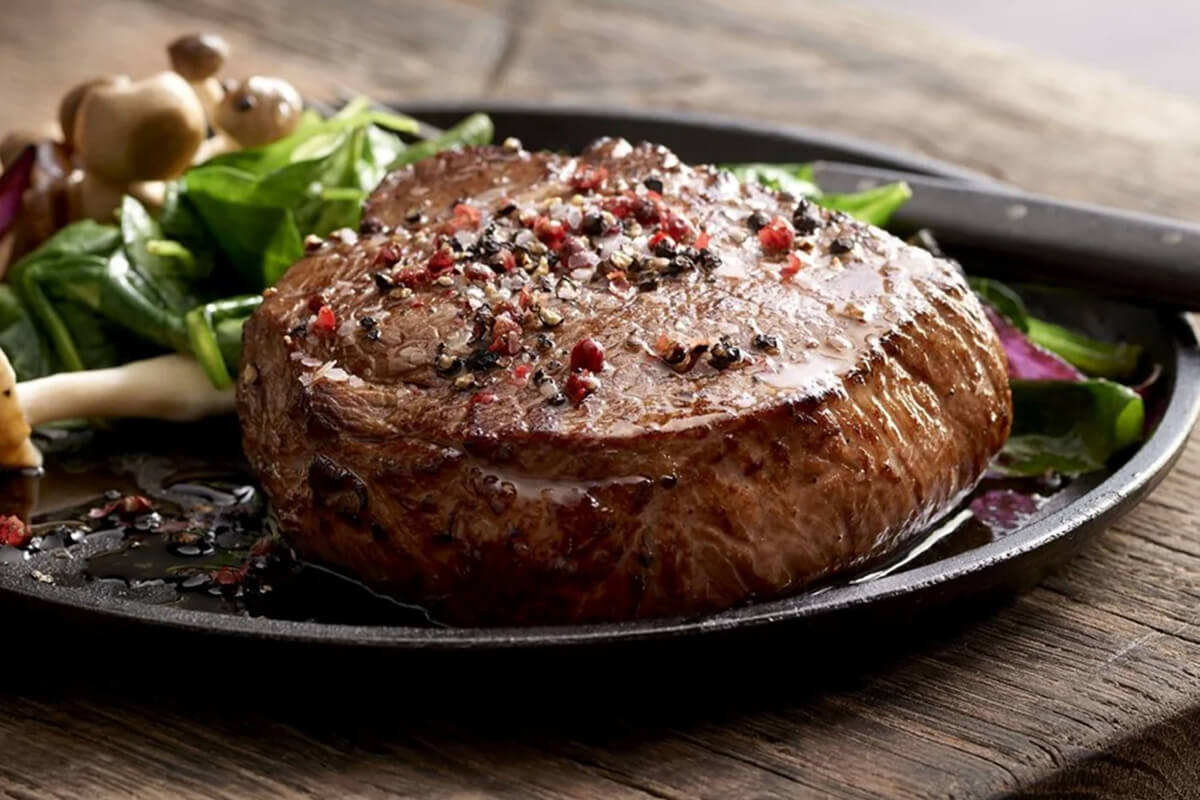
After resting, your filets are ready to serve. A finishing touch of flaky sea salt (like Maldon) right before plating amplifies the flavor beautifully. Spoon any remaining pan butter over the top of each steak for a glossy, restaurant-worthy presentation.
Serve immediately on warmed plates. Filet mignon is best enjoyed hot.
What To Serve With Filet Mignon
The filet's lean, elegant profile pairs beautifully with rich, indulgent sides. Here are some winning combinations:
- Classic: Garlic mashed potatoes or a loaded baked potato
- Elegant: Creamed spinach or roasted asparagus with lemon butter
-
Show-stopper: A compound butter (try blue cheese or herb butter) melted over the top of the resting steak
Pro Tips for the Best Filet Mignon Time After Time
You've got a USDA Prime filet from 44 Farms; that's already half the battle won. Now let's make sure everything you do in the kitchen is worthy of what's on your cutting board. These tips are the difference between a good steak and one your guests are still talking about next week.
- Always use a cast-iron skillet. Nonstick pans and thin stainless pans won't retain or distribute heat the way cast iron does. You need that even, intense, retained heat to form a proper crust.
- Don't crowd the pan. Cook two steaks maximum per 10- or 12-inch skillet. Crowding drops the pan temperature, and you'll end up steaming the steaks instead of searing them.
- Invest in a good thermometer. A quality instant-read thermometer ($25–$40) is the single best upgrade you can make to your steak-cooking game. Guessing gets expensive when you're working with USDA Prime beef.
- Use high-smoke-point oil for searing, butter for flavor. Butter burns at high heat and will make your kitchen smoky and your crust bitter. Sear with avocado or grapeseed oil, then add butter after the flip for basting.
-
Don't skip the rest. We'll say it again: Let. The. Steak. Rest. Five to seven minutes of patience separates a great filet from a perfect one.
Order Your 44 Farms Prime Filet Mignon
Founded in 1909 by S.W. and Josie McClaren near Cameron, Texas, 44 Farms has spent more than a century building one of the premier registered Angus operations in America. Five generations of family ranching have never once compromised their standards. When you're ready to cook something truly exceptional, 44 Farms is honored to be the beef on your family table. Check out all of the 44 Farms recipes that help you do our beef proud.
Order Your Filet Mignon
Frequently Asked Questions
Is filet mignon the same as beef tenderloin?
They come from the same muscle, but they're not exactly the same thing. The beef tenderloin is the whole long muscle that runs along the spine, typically 4–6 pounds. Filet mignon refers to steaks cut from the tenderloin, particularly the narrower, more tender front portion. When you order a whole beef tenderloin roast, you're getting the entire muscle; when you order filet mignon, you're getting individual steaks portioned from it. 44 Farms offers their filet mignon pre-cut and beautifully trimmed in 6 oz and 8 oz portions, ready to cook.
How do I reheat leftover filet mignon without ruining it?
The microwave is the enemy here; it will overcook the meat, leaving your leftover filet tough and dry. The best method is low and slow: place the steak in a 250°F oven on a wire rack until it's just warmed through (about 20–25 minutes for a 6–8 oz filet), then, if desired, give it a 30-second sear in a hot, buttered skillet to revive the crust. Alternatively, slice it thin and serve it cold over a salad. Leftover filet mignon makes an outstanding steak salad and requires zero reheating. You can store leftovers in an airtight container in the refrigerator for 3–4 days.
Should I wrap filet mignon in bacon?
Bacon-wrapped filet mignon is a classic for good reason. Because filet mignon is a very lean cut with minimal fat, wrapping it in bacon infuses the meat with savory, salty flavor as the bacon fat renders during cooking, essentially basting the steak from the outside in. It also adds a textural contrast that many people love. That said, a USDA Prime filet from 44 Farms is so naturally flavorful and buttery from its superior marbling and 28-day wet aging that it absolutely shines on its own. Bacon is a delicious addition, not a requirement.
Why is filet mignon so expensive?
It comes down to pure scarcity. Each steer has only two tenderloins, and once a butcher removes the silver skin, fat, and connective tissue, the usable filet mignon from a single animal represents less than 1% of its total weight. You might start with a 6-pound tenderloin and end up with only 3–4 pounds of center-cut filets. That combination of tiny yield, skilled butchering labor, and consistent high demand is what drives the price, and it's exactly why quality matters so much. With 44 Farms USDA Prime, you're getting beef that has been carefully selected, beautifully trimmed, and wet-aged for 28 days. Every ounce you're paying for is pure, edible luxury.