Bone-In vs. Boneless New York Strip: Which Steak Is Right for You?
Walk into any great steakhouse and you’ll likely find both Bone-In New York Strip and Boneless New York Strip on the menu.
At first glance, the difference seems obvious—one has the bone and one doesn’t.
But does that actually change the eating experience?
The short answer is yes—but perhaps not in the way you think.
Both steaks come from the same prized section of the animal and deliver the bold, beef-forward flavor that has made the New York Strip one of America’s most beloved steakhouse cuts. Choosing between them comes down to your cooking style, presentation preferences, and the type of steak dinner you want to create.
Let’s break it down.
What Is a New York Strip Steak?
The New York Strip is cut from the short loin, one of the most tender areas of the animal.
Because these muscles do relatively little work, they develop excellent tenderness while maintaining the firm texture and rich beef flavor that distinguish the strip steak from cuts like ribeye or filet mignon.
A New York Strip is known for:
- Bold beef flavor
- Fine marbling
- Tender, yet satisfying texture
- Beautiful crust when grilled or seared
- Excellent versatility
It’s a steak that balances tenderness and flavor without relying on excessive marbling.
What Is a Bone-In New York Strip?
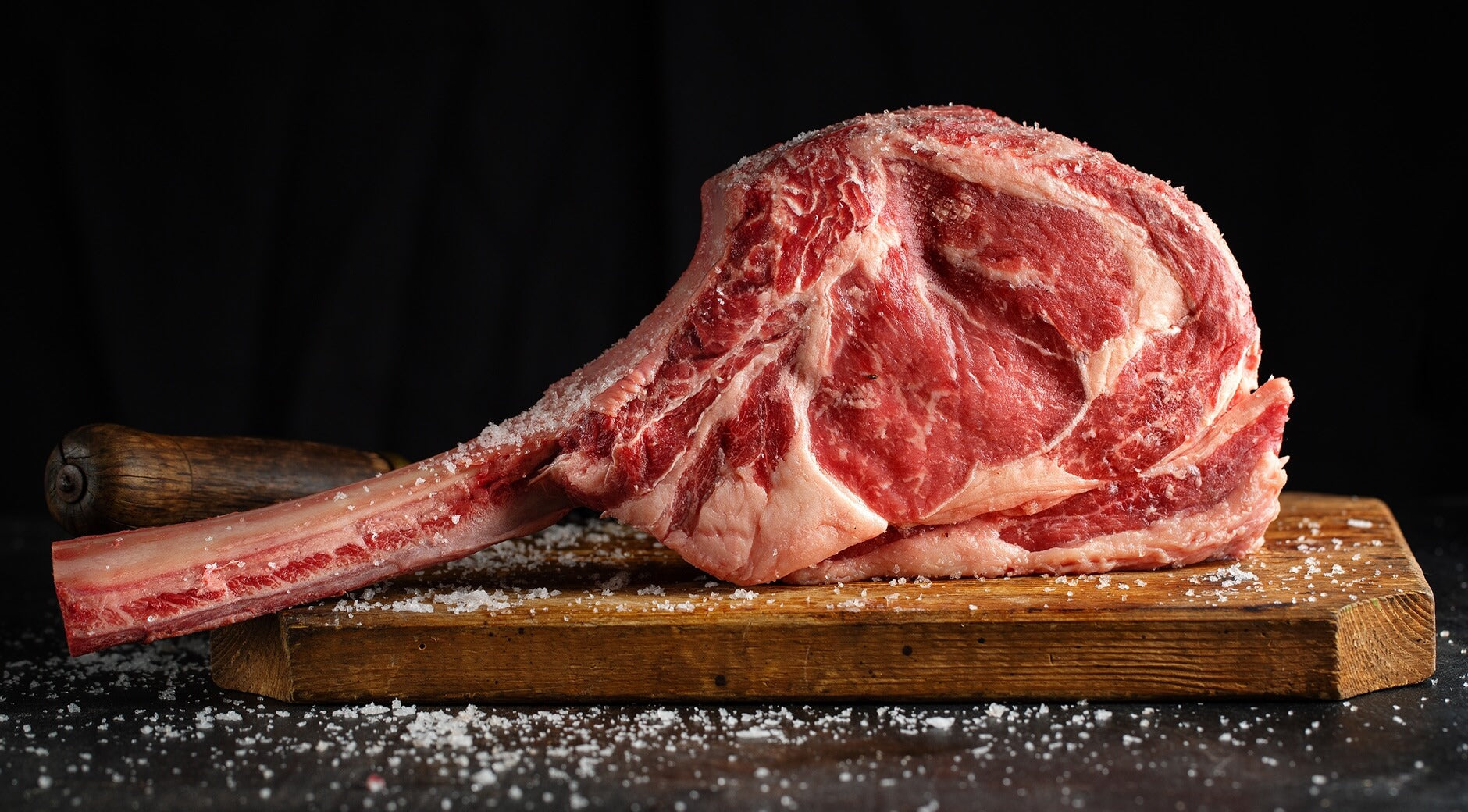
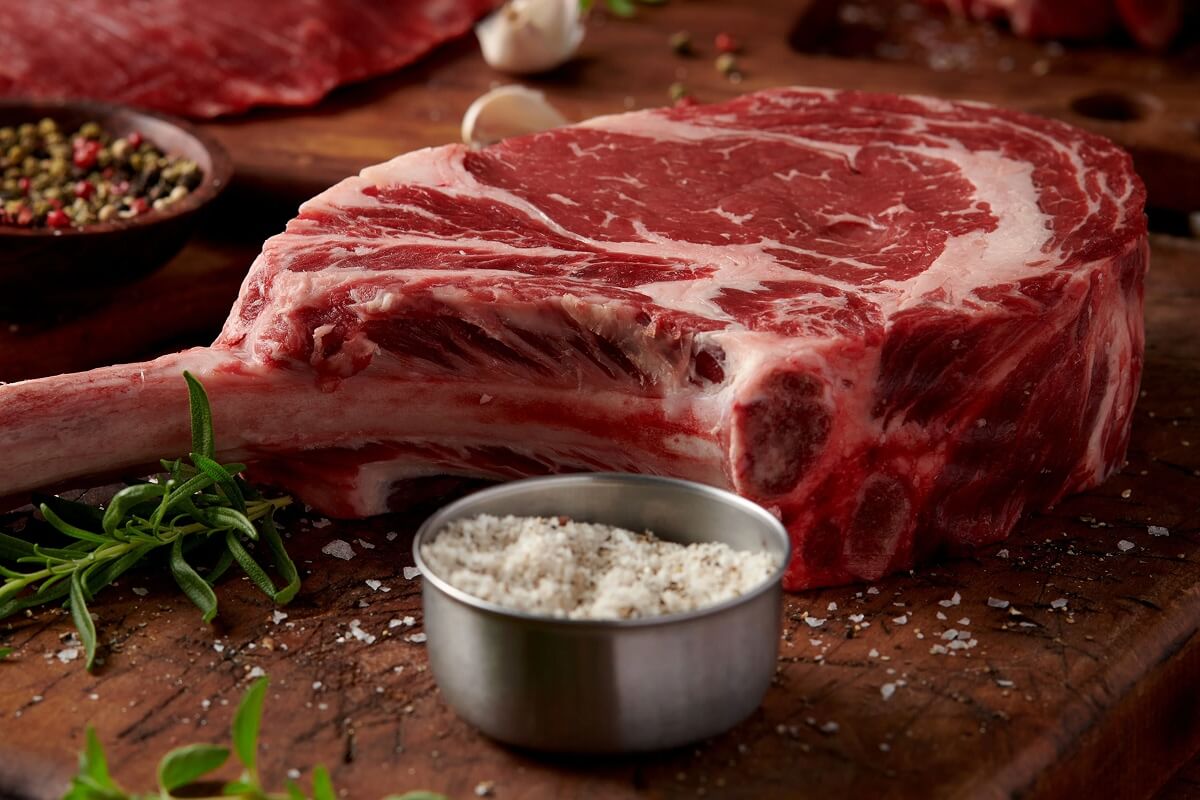
A Bone-In New York Strip, often called a Kansas City Strip, is simply a New York Strip with a portion of the short loin bone left attached.
The meat itself comes from the same location as the boneless version.
The primary differences are:
- The attached bone
- Slightly larger overall cut
- Classic steakhouse presentation
Many premium steakhouses feature the bone-in version because of its impressive appearance and traditional preparation.
What Is a Boneless New York Strip?
A boneless New York Strip is exactly the same muscle with the bone removed during fabrication.
Without the bone, it offers:
- Easier carving
- Faster cooking
- More even edge-to-edge doneness
- Maximum edible portion
For weeknight grilling and cast iron cooking, it’s often the more convenient option.
Bone-In vs. Boneless New York Strip
|
Feature |
Bone-In Strip |
Boneless Strip |
|---|---|---|
|
Flavor |
Rich beef flavor |
Rich beef flavor |
|
Tenderness |
Excellent |
Excellent |
|
Marbling |
Excellent |
Excellent |
|
Presentation |
Steakhouse showpiece |
Classic steak |
|
Cooking Speed |
Slightly slower |
Slightly faster |
|
Carving |
Requires cutting around bone |
Easy slicing |
|
Best For |
Entertaining & special occasions |
Everyday grilling |
Since both steaks come from the same muscle, the eating quality is remarkably similar.
The biggest differences come from presentation and cooking characteristics.
Does the Bone Make the Steak Taste Better?
This is one of the most common questions in the steak world.
The honest answer:
Not dramatically.
While some steak enthusiasts prefer bone-in steaks, most of the flavor comes from:
- Quality beef
- Marbling
- Proper aging
- Cooking technique
The bone may provide a slight insulating effect during cooking, helping the meat closest to it cook a bit more gently. For many people, however, the biggest advantage is the classic steakhouse presentation rather than a noticeable flavor difference.
Which Steak Is Better for Grilling?
Both are excellent.
Choose Bone-In If You Want:
- Maximum presentation
- Special occasion meals
- Steakhouse experience at home
- Large, impressive steaks
Choose Boneless If You Want:
- Faster cooking
- Easier slicing
- Weeknight dinners
- Simpler meal prep
Either steak performs exceptionally well over charcoal, gas, or pellet grills.
Which Is Better for Reverse Searing?
Reverse searing works beautifully for both cuts.
Because the Bone-In Strip is often slightly thicker, it’s especially well suited to this method.
A simple reverse sear:
- Cook indirectly at 225–250°F.
- Remove around 115–120°F.
- Sear over very high heat.
- Finish at 130–135°F for medium-rare.
- Rest before serving.
Which Is Better in Cast Iron?
Boneless strips have a slight advantage.
Without the bone, they make full contact with the skillet, producing a more even crust.
For cast iron cooking:
- Preheat the skillet thoroughly.
- Use 44 Farms Cold-Pressed Texas Pecan Oil or 44 Farms All-Natural Angus Beef Tallow.
- Sear over high heat.
- Finish with butter, garlic, and fresh herbs.
Read our article: How to Cook Steak in a Cast Iron Skillet
What Temperature Should You Cook a New York Strip?
For the best eating experience:
|
Doneness |
Internal Temperature |
|---|---|
|
Rare |
125–130°F |
|
Medium-Rare |
130–135°F |
|
Medium |
140–145°F |
|
Medium-Well |
150–155°F |
Most steak lovers prefer medium-rare, where the marbling has begun to render while the steak remains juicy and tender.
Best Steak Temperatures for Every Doneness
What Should You Season a New York Strip With?
Premium beef doesn’t require complicated seasoning.
We recommend:
- 44 Farms Black Pepper Infused Salt
- Fresh cracked black pepper (optional)
- Compound butter after resting
Simple seasoning allows the natural flavor of premium Black Angus beef to shine.
Which Steak Is Right for You?
Choose the Bone-In New York Strip if you want:
- A steakhouse centerpiece
- An impressive presentation
- A special occasion steak
- Traditional steakhouse style
Choose the Boneless New York Strip if you want:
- Faster cooking
- Easier slicing
- Weeknight convenience
- Maximum edible steak
The good news?
There’s no wrong choice.
Both steaks deliver the bold, satisfying flavor that has made the New York Strip one of America’s favorite premium cuts.
Frequently Asked Questions
Is a Kansas City Strip the same as a Bone-In New York Strip?
Yes. Kansas City Strip and Bone-In New York Strip are two names for the same cut. Both come from the short loin with the bone left attached.
Does a bone-in steak taste better?
The bone has only a subtle effect on flavor. Most of the eating experience comes from the quality of the beef, marbling, aging, and proper cooking. Many people choose bone-in steaks for their classic steakhouse presentation.
Which is easier to cook: bone-in or boneless?
Boneless New York Strip generally cooks a little more evenly and is easier to sear in a cast iron skillet, while Bone-In New York Strip excels when grilled or reverse seared.
What is the best temperature for New York Strip?
For the best combination of tenderness and flavor, cook New York Strip steaks to 130–135°F for medium-rare.
Which New York Strip is better for entertaining?
Bone-In New York Strip is often the preferred choice for entertaining because of its impressive appearance and steakhouse presentation.
Related Grill Skills Articles
Continue exploring premium steak cuts and cooking techniques:
- New York Strip vs. Ribeye: Which is Better?
- How to Cook Steak in a Cast Iron Skillet
- Best Steak Temperatures for Every Doneness
- What Is Picanha? The Brazilian Steakhouse Cut Every Griller Should Know
- What Is Tri-Tip? The California Classic Every Griller Should Know
- Why Pecan Oil and Beef Tallow Are the Best Fats for Cooking
Ready to Experience the Difference?
Whether you prefer the dramatic presentation of a Bone-In New York Strip or the convenience of a Boneless New York Strip, 44 Farms offers premium Black Angus steaks hand-cut with care in Texas, wet aged for 28 days, and selected for exceptional tenderness, marbling, and flavor.
Shop our collection of New York Strip steaks and enjoy a true steakhouse experience at home.