What Is Denver Steak? The Most Underrated Steak You’ve Never Tried
Ask most steak lovers to name their favorite cuts and you’ll hear the usual suspects:
Maybe even Picanha or Flat Iron.
But one of the most flavorful and surprisingly tender steaks often gets overlooked: the Denver steak.
Cut from the chuck primal and packed with rich marbling, Denver steak delivers an eating experience that rivals much more expensive cuts. It’s a favorite among butchers, chefs, and steak enthusiasts who know that some of the best steaks don’t always get the most attention.
If you’ve never tried Denver steak, it may be time to change that.
What Is Denver Steak?
Denver steak is a highly marbled steak cut from the chuck underblade, located in the shoulder region of the animal.
Specifically, it comes from the serratus ventralis muscle, which offers an unusual combination of tenderness and rich beef flavor.
Historically, much of the chuck primal was used for roasts, stew meat, or ground beef. As beef fabrication techniques improved, butchers discovered that certain muscles within the chuck could be separated and sold as premium steaks.
The Denver steak quickly emerged as one of the stars.
Today, it is widely recognized as one of the most tender cuts available from the chuck primal.
Why Is It Called Denver Steak?
The Denver steak wasn’t named after the city because it originated there.
Instead, the name came from a beef industry marketing effort designed to introduce newly identified value cuts to consumers.
The name stuck—and for good reason.
While many shoppers still aren’t familiar with Denver steak, those who discover it often become loyal fans.
Where Does Denver Steak Come From?
Denver steak comes from the chuck primal.
More specifically, it is cut from the underblade section beneath the chuck eye.
Here’s where it sits on the animal:
- Primal: Chuck
- Subprimal: Chuck Underblade
- Muscle: Serratus Ventralis
This location is important because it helps explain why Denver steak offers so much flavor.
The chuck is known for producing some of the richest-tasting beef on the animal. While many chuck muscles require low-and-slow cooking, the Denver steak remains naturally tender enough for grilling and pan-searing.
What Does Denver Steak Taste Like?
If flavor is your priority, Denver steak deserves your attention.
Compared to leaner cuts, Denver steak offers:
- Rich beef flavor
- Excellent marbling
- Tender texture
- Juicy bite
- Steakhouse-quality eating experience
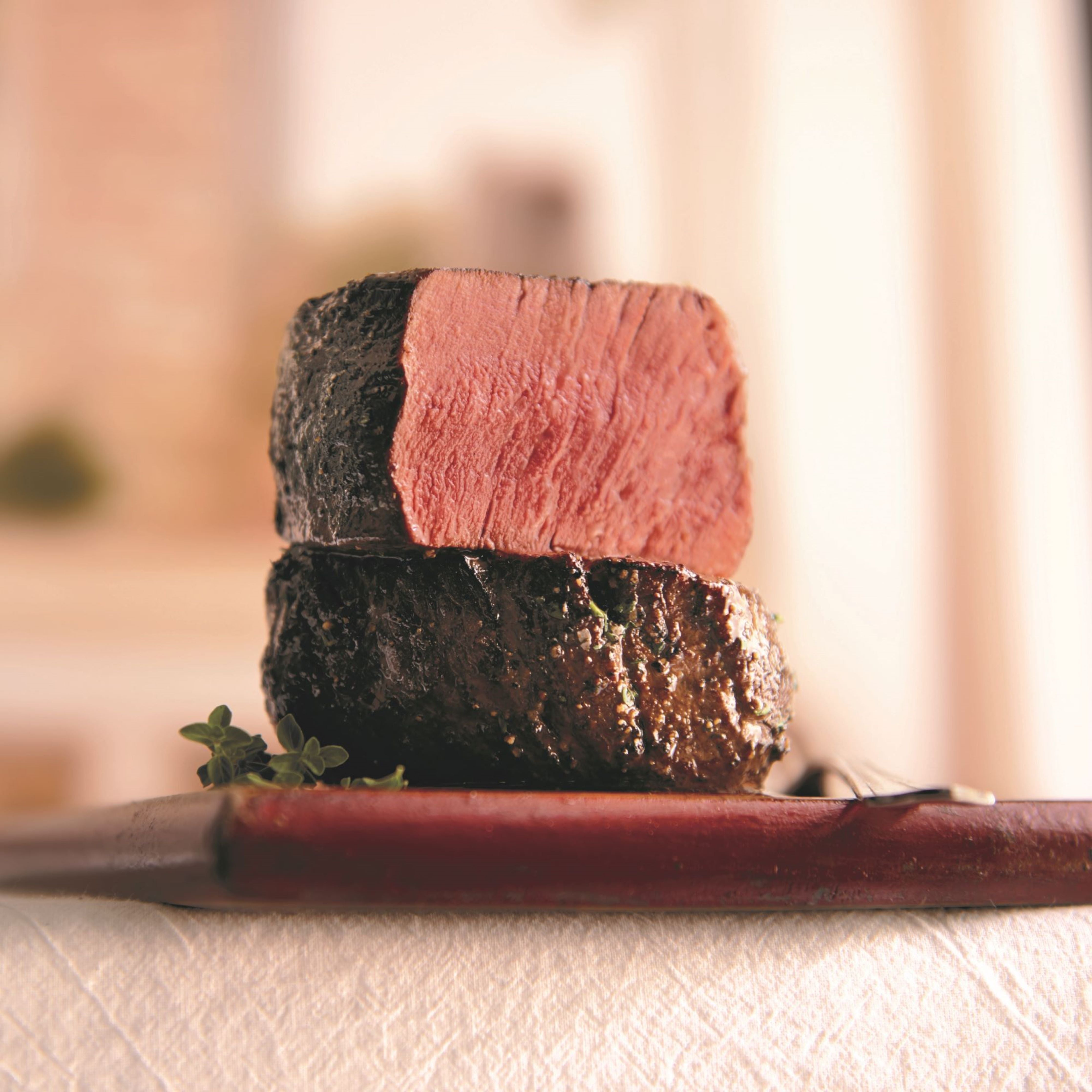
Many steak lovers describe Denver steak as having a flavor profile somewhere between a ribeye and a flat iron steak.
The marbling melts during cooking, creating a rich, buttery mouthfeel while maintaining a pronounced beef-forward character.
Why Denver Steak Is So Underrated
Denver steak checks nearly every box steak lovers care about:
Exceptional Marbling
Marbling equals flavor.
Denver steak typically contains significantly more marbling than many similarly priced cuts.
Great Value
Because it isn’t as widely known as ribeye or filet, Denver steak often delivers premium eating quality at a more approachable price.
Versatility
Denver steak works beautifully for:
- Grilling
- Cast iron cooking
- Reverse searing
- Steak tacos
- Rice bowls
- Steak salads
Consistent Results
Its marbling and tenderness make it relatively forgiving compared to leaner steaks.
Denver Steak vs. Ribeye
Denver steak is often compared to ribeye because both cuts feature excellent marbling.
|
Denver Steak |
Ribeye |
|---|---|
|
Chuck primal |
Rib primal |
|
Rich beef flavor |
Rich beef flavor |
|
Excellent marbling |
Heavy marbling |
|
Great value |
Premium price |
|
Lesser known |
Steakhouse favorite |
While ribeye remains the king of marbling, Denver steak delivers a surprisingly similar eating experience for many steak lovers.
Denver Steak vs. Flat Iron Steak
Denver steak and flat iron are often grouped together because both originate from the chuck.
|
Denver Steak |
Flat Iron |
|---|---|
|
Chuck underblade |
Chuck shoulder |
|
Excellent marbling |
Excellent marbling |
|
Rich beef flavor |
Rich beef flavor |
|
Slightly looser texture |
Extremely tender texture |
Both are outstanding choices and among the best values in premium beef.
How to Cook Denver Steak
Denver steak is best cooked using high heat.
Because it already contains excellent marbling, there’s no need for complicated preparation.
Step 1: Season Simply
A generous coating of:
- Kosher salt
- Black pepper
is often all you need.
Premium beef should remain the star.
Step 2: Cook Hot and Fast
Denver steak excels on:
- Gas grills
- Charcoal grills
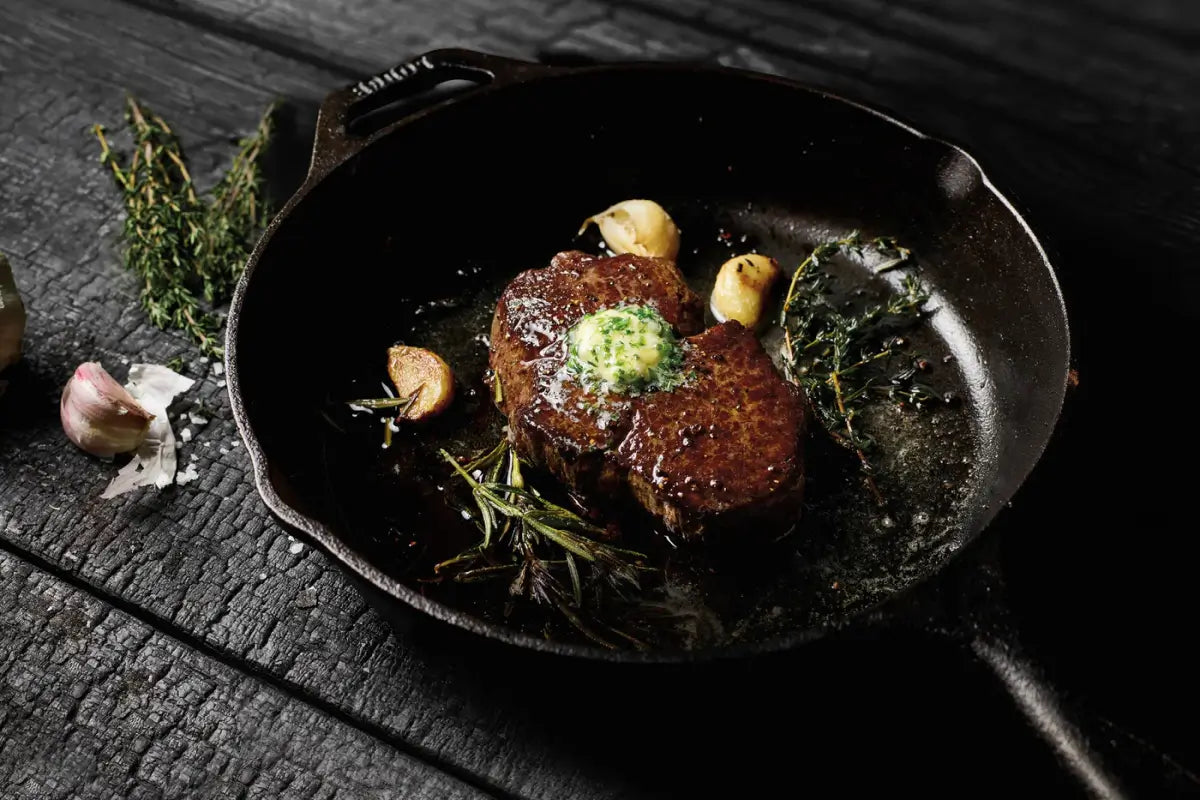
- Cast iron skillets
- Flat tops
High heat helps create a flavorful crust while preserving the juicy interior.
Step 3: Cook to Medium-Rare
For best results:
- Rare: 125–130°F
- Medium-Rare: 130–135°F
- Medium: 140–145°F
Medium-rare typically delivers the ideal balance of tenderness, marbling, and flavor.
Step 4: Rest Before Serving
Allow the steak to rest for 5–10 minutes after cooking.
This helps the juices redistribute throughout the meat.
The Best Ways to Serve Denver Steak
Denver steak is incredibly versatile.
Steak and Potatoes
Simple and classic.
Steak Tacos
Rich beef flavor makes Denver steak perfect for tacos.
Rice Bowls
Excellent for meal prep.
Steak Salads
Adds protein and flavor without sacrificing tenderness.
Steak Sandwiches
Thinly sliced Denver steak makes an incredible sandwich.
Why Black Angus Denver Steak Makes a Difference
Not all Denver steaks are created equal.
The quality of the cattle directly impacts:
- Marbling
- Tenderness
- Flavor
At 44 Farms, our Black Angus cattle are selected for consistency and exceptional eating quality.
The result is a Denver steak that delivers:
- Rich marbling
- Bold beef flavor
- Reliable tenderness
- A premium steakhouse experience at home
Frequently Asked Questions
What is Denver steak?
Denver steak is a highly marbled steak cut from the chuck underblade. It is known for its rich flavor, tenderness, and excellent value.
Is Denver steak tender?
Yes. Denver steak is widely considered one of the most tender cuts available from the chuck primal.
What is the best way to cook Denver steak?
Denver steak is best cooked over high heat on a grill or cast iron skillet and served medium-rare.
What temperature should Denver steak be cooked to?
For best results, cook Denver steak to a final internal temperature of 130–135°F.
Is Denver steak better than ribeye?
Ribeye generally contains more marbling, but many steak lovers appreciate Denver steak for its combination of flavor, tenderness, and value.
Related Grill Skills Articles
Continue exploring some of beef’s best-kept secrets:
- Why 44 Farms Only Serves Black Angus Beef
- What Is Tri-Tip? The California Classic Every Griller Should Know
- What Is Picanha? The Brazilian Steakhouse Cut Every Griller Should Know
- How to Cook Steak in a Cast Iron Skillet
- Best Steak Temperatures for Every Doneness
Ready to Try Denver Steak?
If you’re looking for a steak that delivers rich marbling, exceptional flavor, and incredible value, Denver steak deserves a place on your grill.
Shop 44 Farms Black Angus Denver Steak and discover why this underrated cut has become a favorite among chefs, butchers, and steak lovers alike.