Carnivore Diet Recipe: High-Heat Grilled Bavette Steak
If you've been eating carnivore for any length of time, you've probably leaned hard on ribeye, strip, and sirloin. Those are great cuts. But if bavette hasn't made it onto your grill yet, you're leaving one of the best-kept secrets in beef on the table.
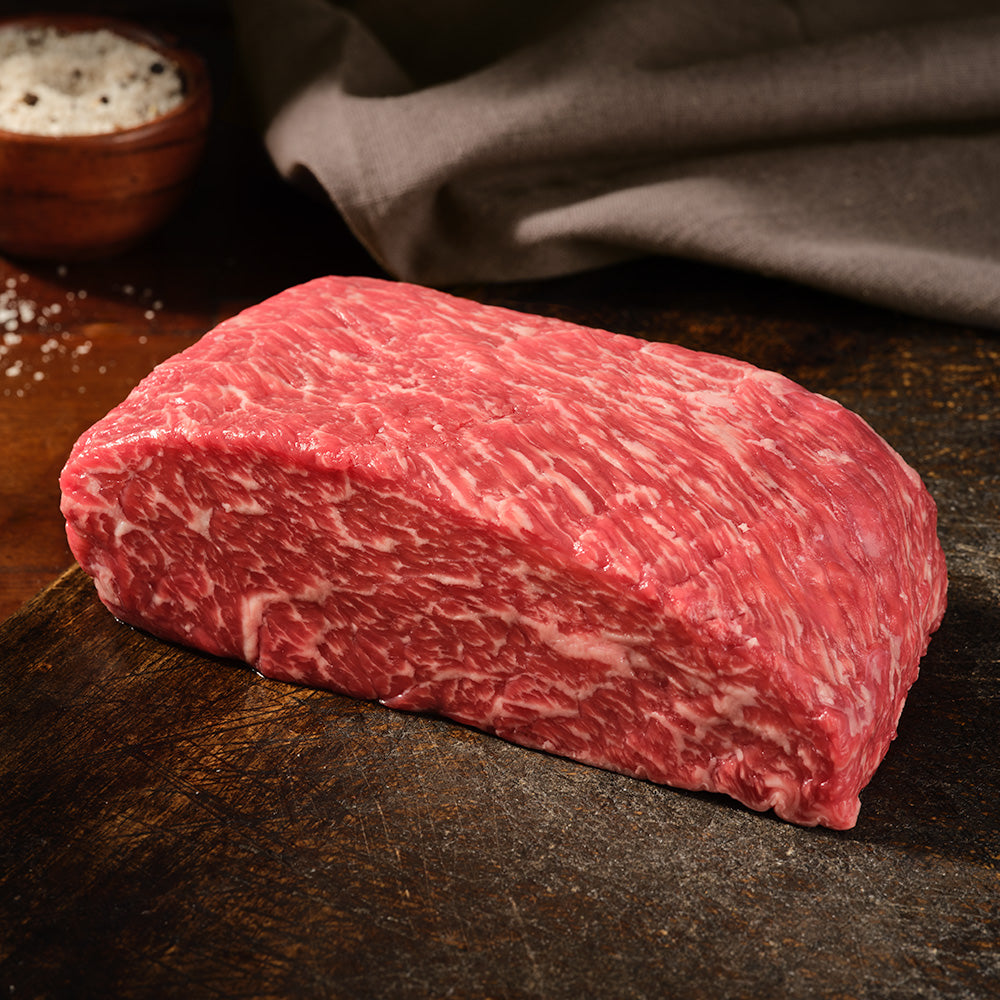
Bavette, also called flap steak, comes from the bottom sirloin, just below the loin primal. It has a bold, deeply beefy flavor with a loose, open grain that soaks up rendered fat during cooking and delivers serious juice with every bite. The marbling is excellent for the cut, and the flavor intensity is hard to match at any price point. Think of it as the cut that rewards people who know what they're doing.
At 44 Farms, our USDA Choice Bavette Steak comes from pasture-raised, grain-finished Black Angus cattle raised under our NE3 commitment, meaning no hormones, no antibiotics, and no animal byproducts. Ever. Each steak is wet aged a minimum of 28 days before it ships to your door.
For carnivore eating, bavette rewards a simple, aggressive approach: high heat, minimal seasoning, and a sharp knife angled against the grain. That's it. The recipe below gets out of the way and lets the beef do what it does best.

Overview
Total Time: 20 to 25 minutes
Target internal temperature: 125 to 135°F (medium-rare to medium)
Skill Level: Easy
Servings: 1-2
Ingredients
- 1 44 Farms USDA Choice Bavette Steak
- Coarse kosher salt (about 1 teaspoon per side)
- 1 tablespoon 44 Farms All-Natural Angus Beef Tallow (for finishing, optional)
- Freshly cracked black pepper (optional: omit for strict carnivore)
Instructions
1. Salt the Steak Ahead of Time
Season both sides generously with kosher salt at least 45 minutes before cooking. If time allows, salt it the night before and leave it uncovered in the refrigerator. The surface will look a little dry when you pull it out; that's exactly what you want going into a hot grill.
2. Bring to room temperature
Pull the steak out 30 to 45 minutes before it hits the grate. Cold meat on a hot grill means uneven cooking, and bavette is thin enough that every degree of starting temperature matters.
3. Build a Hot Fire
Whether you're cooking on charcoal or gas, you want the hottest zone your grill will produce. For charcoal, that means a dense two-zone coal bed with one side blazing and the other side cooler. For gas, crank all burners to high and let the grates preheat for at least 10 minutes. Bavette needs searing heat, not medium heat, not "warm enough."
4. Grill Direct, High Heat.
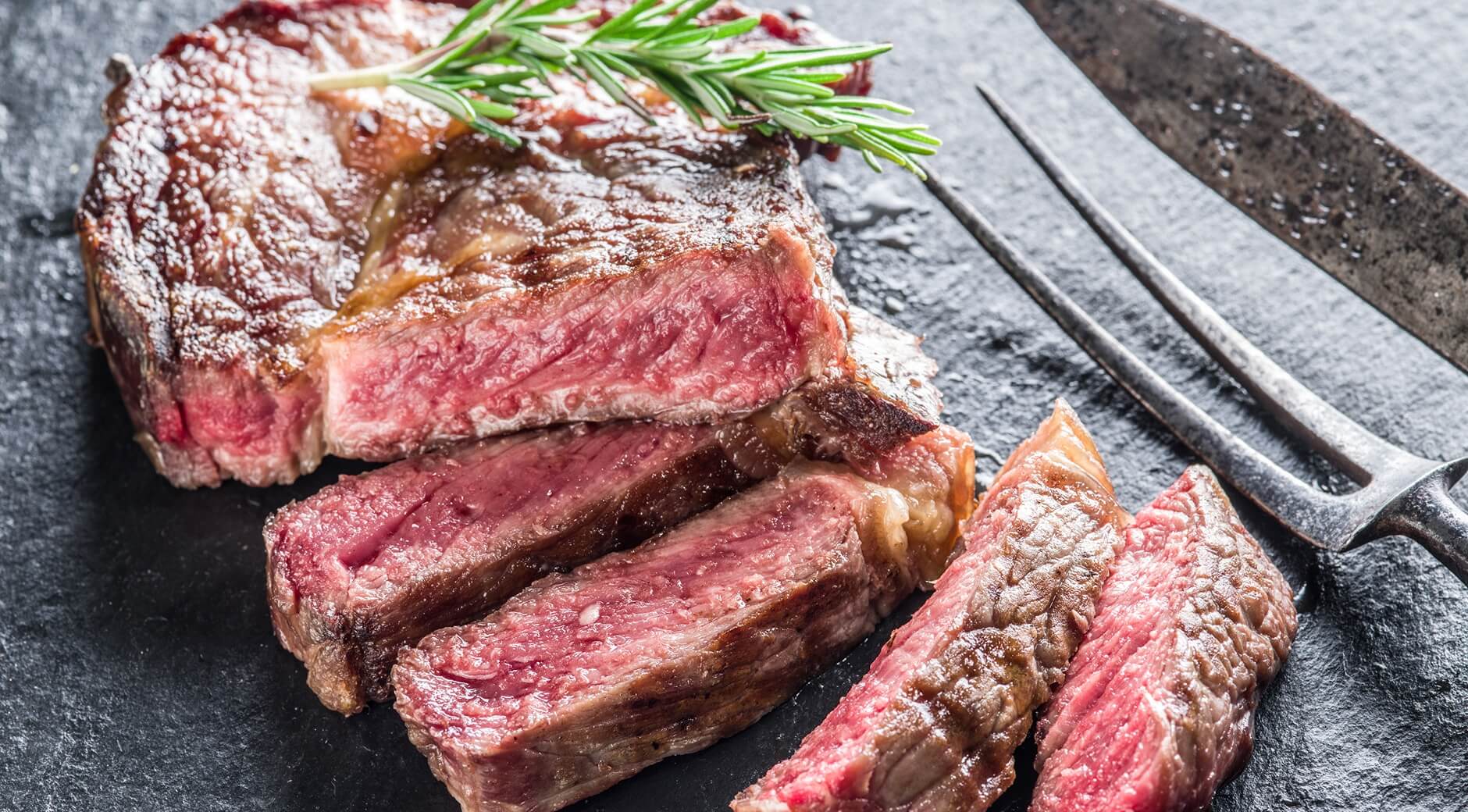
Lay the bavette over the hottest part of the grill. Cook 3 to 4 minutes per side for a steak about 3/4 inch thick, or 4 to 5 minutes per side for anything thicker. Resist the urge to move it around. You want a deep, even char on each side; not gray, not spotted, but genuinely darkened across the full surface.
5. Check Your Temperature
Pull the steak when the internal temperature reads 125 to 130°F for medium-rare. Bavette can go slightly warmer than ribeye without suffering: 130 to 135°F is still a very good result. Beyond that, the looser grain begins to dry out faster than a tighter-grained cut would, so don't push it.
6. Give it a Rest
Transfer the steak to a cutting board and tent loosely. Let it rest for at least 7 to 8 minutes. Bavette holds a lot of juice in that open grain structure, and cutting too early sends it all onto the board instead of into your mouth.
7. Slice Against the Grain
This step makes or breaks bavette. The grain runs in a clear direction: look at the muscle fibers and cut perpendicular to them, at a slight angle, in thin slices. Cut with the grain, and you'll chew through something that should have been effortless. If you have the 44 Farms All-Natural Angus Beef Tallow on hand, a small amount warmed and spooned over the sliced steak right before serving is a legitimate move.
Chef's Tip
Bavette is an excellent choice for carnivore eating days when you want serious beef flavor without the price point of USDA Prime ribeye. The fat content is moderate, which means leaning into the tallow finish adds back the dietary fat that higher-fat cuts naturally provide. For strict lion diet adherents, salt-only works fine; the flavor of the cut carries it.